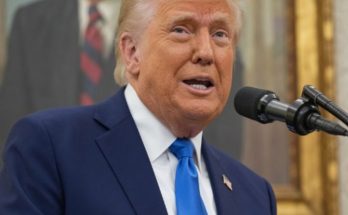
Washington did not see it coming. A single order and a signature altered the rhythm of the capital almost overnight. The visible presence of federal forces increased across key corridors, with sirens more common, patrols more coordinated, and unmarked vehicles blending into the flow of traffic. For some residents, there was an immediate sense that crime had eased, and that long-standing concerns about safety were finally being addressed in a direct way.
Supporters of the move describe it as a decisive correction after years of uncertainty. They point to calmer streets, quicker response times, and a stronger enforcement presence as evidence that the intervention is working. In their view, the change has restored confidence in neighborhoods that had grown accustomed to instability and sporadic policing.
Others, however, experience the shift very differently. Critics and residents alike describe rising anxiety, particularly around schools, transit stops, and commercial corners where enforcement activity is more visible. Reports of ICE vans and federal coordination have led some families to adjust daily routines, avoid certain areas, and remain cautious about unexpected encounters with authorities.
Local officials and officers are left navigating a complicated reality, where lines of responsibility can feel less clear than before. Some acknowledge uncertainty about command structure during joint operations, adding to the tension on the ground.
As a result, Washington has become a city defined by contrasting perceptions of the same events—order for some, unease for others—raising ongoing questions about how safety is achieved, who defines it, and what costs come with it.