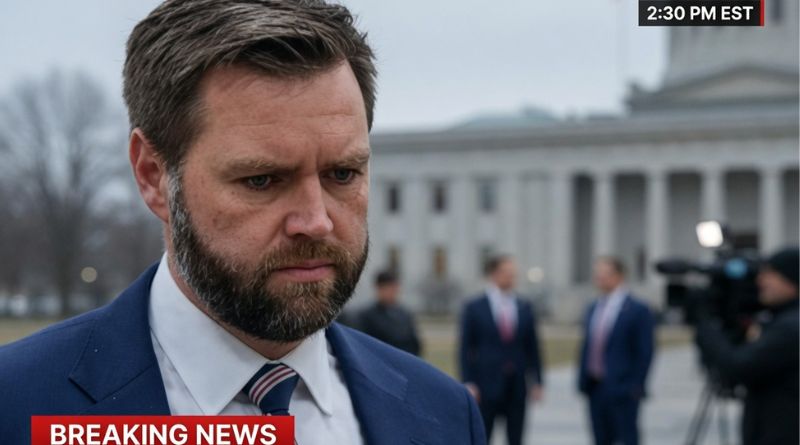
Recent remarks by JD Vance have continued to generate discussion, especially among leaders and veterans in the United Kingdom, where reactions reflected both concern and a desire to reaffirm long-standing ties.
Veteran voices were among the most direct. Figures like Johnny Mercer and Andy McNab highlighted the reality of joint operations in places such as Iraq and Afghanistan, where British and American troops operated side by side. They stressed that these missions involved shared risks, losses, and responsibilities—elements that form the backbone of the alliance.
Political leaders echoed that sentiment. Keir Starmer and other officials emphasized that alliances are sustained not just through formal agreements, but through consistent recognition of each partner’s contributions. In their view, public statements carry particular importance because they help shape perception, both domestically and internationally.
As the debate expanded, some analysts noted that even unintended implications can influence how alliances are perceived. Language that appears to diminish one partner’s role can introduce friction, even when broader cooperation remains strong. This helps explain why the response was so coordinated and firm.
Vance later clarified that his remarks were aimed at countries with limited combat involvement, not at core allies like the UK or France. While this clarification addressed part of the criticism, it also reinforced how sensitive the subject of military contribution remains.
The broader takeaway is that alliances operate on more than shared interests. They are reinforced by trust, memory, and acknowledgment. Moments like this illustrate how quickly tensions can arise—and how important it is for leaders to communicate with precision when addressing relationships built on decades of cooperation and sacrifice.