In a dramatic development this week, the United States and Iran agreed to a conditional two-week ceasefire, temporarily halting months of escalating tensions that had raised global alarm.
The agreement was announced on Tuesday evening, only hours before a U.S. deadline that threatened further military escalation if Iran failed to meet Washington’s demands.
President Donald Trump described the ceasefire as a “total and complete victory,” presenting it as evidence of successful American diplomacy and strength, while confirming that negotiations would continue during the pause.
Under the terms of the arrangement, Iran agreed to reopen the Strait of Hormuz to safe commercial shipping. The waterway is one of the most critical energy corridors in the world, carrying a significant share of global oil exports and long serving as a focal point of U.S.–Iran tensions.
The ceasefire is understood as a temporary pause rather than a full peace settlement, giving both sides a two-week window to pursue broader diplomatic discussions and reduce the risk of further escalation.
Shortly before the agreement was reached, President Trump issued a highly controversial statement warning of catastrophic consequences if Iran refused to comply with U.S. conditions. The remarks sparked international concern due to their extreme tone and implications.
The statement, shared on social media, suggested that “a whole civilization” could face destruction, prompting widespread criticism from global observers and raising fears of potential violations of international humanitarian norms.
Amid rising tensions, Pakistan played a mediating role, encouraging both parties to pursue diplomacy and avoid further military confrontation. Its involvement helped facilitate last-minute negotiations that led to the ceasefire agreement.
Reactions within the United States were divided. Supporters praised the deal as a necessary step toward de-escalation, while critics questioned whether it represented a strategic retreat or a temporary political gesture.
International responses were similarly mixed, with cautious relief tempered by skepticism about whether a brief ceasefire could address deeper structural conflicts between Washington and Tehran.
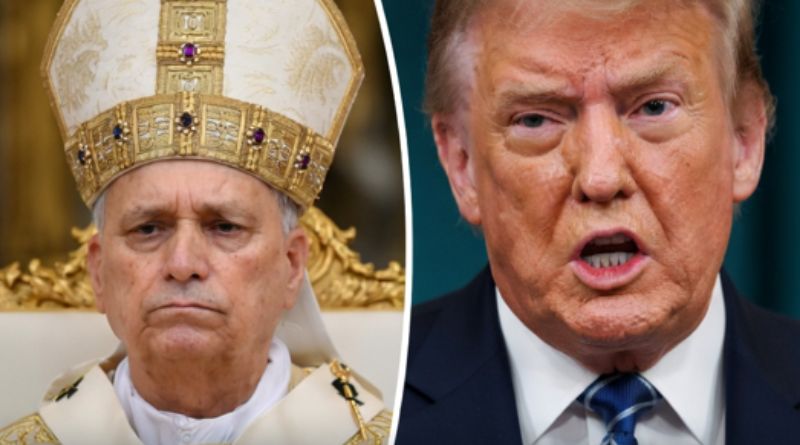
Religious leaders also weighed in. Pope Leo XIV criticized the earlier rhetoric, calling threats against civilians “unacceptable” and urging world leaders to prioritize diplomacy and the protection of human life.
He emphasized the moral responsibility of governments to avoid actions that could endanger civilian populations, especially during periods of heightened military risk.
Legal experts and human rights observers noted that targeting civilian infrastructure would raise serious concerns under international law, including potential violations of the Geneva Conventions.
The ceasefire agreement itself is conditional, with the reopening of the Strait of Hormuz seen as a central requirement for maintaining the truce and advancing negotiations.
Energy markets reacted quickly to the announcement, with oil prices declining as fears of supply disruptions eased, at least temporarily.
However, analysts cautioned that the agreement remains fragile, with both sides maintaining deeply different interpretations of the conflict and its resolution.
The underlying tensions that triggered the conflict earlier in the year have not been resolved, and the situation remains highly sensitive.
For now, the two-week ceasefire offers a brief pause in hostilities and a narrow opportunity for diplomacy, though its long-term success remains uncertain.
Observers note that the coming days will be critical in determining whether the ceasefire can evolve into a broader diplomatic framework or collapse under renewed pressure. Much depends on compliance from both governments, continued mediation efforts, and the ability to manage domestic political constraints. While some officials remain optimistic, others warn that longstanding mistrust, regional power dynamics, and unresolved security disputes could quickly undermine progress and return both sides to confrontation unless sustained dialogue is maintained beyond the initial two-week period. And broader regional stability remains uncertain without continued sustained engagement efforts.