The first reports of explosions did more than suggest damage on the ground—they signaled that a volatile standoff might be entering a far more dangerous phase. Unconfirmed accounts indicated that aircraft linked to the United States and Israel may have struck targets inside Iran, raising immediate global concern.
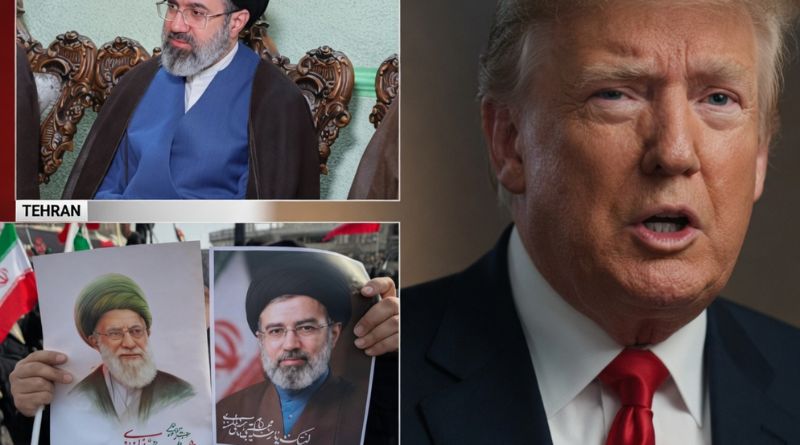
In Tehran, military and political leaders reportedly convened emergency meetings, attempting to determine not only the scale of the damage but also the identity and intent behind the strikes. Early confusion is typical in moments like this, but the lack of clarity only heightened tensions.
Across the region, governments responded with caution rather than condemnation or support. That restraint reflected a shared fear: any miscalculation could trigger a chain reaction. Oil markets fluctuated sharply, global equities dipped, and analysts warned that even a limited exchange between these actors could ripple far beyond the Middle East.
Some early reports referred to the operation as “Operation Epic Fury,” describing it as a coordinated attempt to degrade Iran’s military and nuclear infrastructure. Yet key details remain unverified, and independent confirmation has been limited. In past confrontations, both Washington and Jerusalem have justified similar actions as necessary to counter what they describe as imminent threats, particularly regarding missile systems and nuclear development.
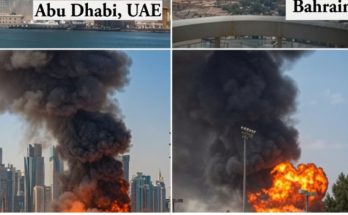
Visual evidence began circulating within hours—clips showing flashes in the night sky, plumes of smoke rising from what appeared to be military sites, and fragments of damaged air-defense systems. Verification proved difficult. In modern conflicts, information moves as quickly as missiles, and not all of it is reliable.
Iranian state media reported that several incoming projectiles had been intercepted, portraying the country’s defenses as resilient. At the same time, officials issued stark warnings, promising a response that would impose significant costs. The language was familiar, but the stakes felt higher.
Behind closed doors, diplomatic channels activated almost instantly. Leaders across Europe and beyond urged restraint, aware that escalation could destabilize critical shipping lanes, energy supplies, and already fragile political balances. Even countries not directly involved began contingency planning.
Military analysts noted that the situation carried multiple pathways to escalation. A direct retaliatory strike by Iran could draw in additional forces. Proxy groups operating in neighboring countries might act independently, expanding the conflict’s footprint. Alternatively, a pause—however fragile—could open space for de-escalation through backchannel negotiations.
For civilians, the strategic calculations mattered less than the immediate uncertainty. In Tehran, families stayed awake, following fragmented updates and listening for further explosions. In Tel Aviv, similar scenes unfolded, with residents bracing for the possibility of incoming fire. Daily life narrowed to a single question: what happens next?
Moments like this often hinge on decisions made in hours, not days. A single strike can be contained, absorbed into the long pattern of shadow conflict. Or it can become the opening move in something far larger.
For now, the world watches a situation defined not only by what has happened—but by what might follow.