In recent days, global attention has increasingly focused on rising tensions between the United States and Iran, particularly surrounding developments linked to the Strait of Hormuz. After weeks of sharp rhetoric and heightened military readiness, an unexpected diplomatic pause has offered a moment of cautious relief, even as uncertainty continues to shape the broader geopolitical landscape.
The Strait of Hormuz remains one of the most strategically vital waterways in the world, serving as a narrow passage through which a substantial portion of global oil and liquefied natural gas supplies transit. Any disruption to shipping in this corridor carries immediate and far-reaching consequences, influencing global energy markets, supply chains, and economic stability. Recent tensions had already begun to ripple through financial systems, contributing to volatility in oil prices and raising concerns among energy-dependent nations.
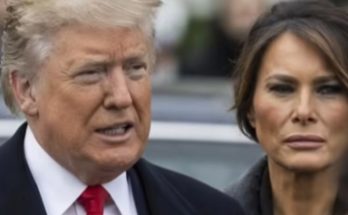
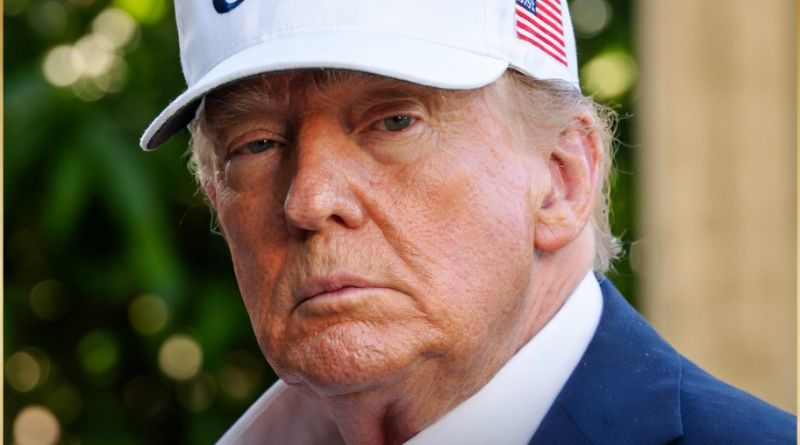
The situation intensified when Donald Trump issued a firm ultimatum calling for the restoration of full maritime access through the strait. His warning suggested that failure to comply could result in escalated military action, underscoring the seriousness of the standoff. As the deadline approached, fears of a broader regional conflict grew, with analysts warning that any miscalculation could trigger consequences extending far beyond the Gulf.
However, in the final hours before tensions reached a breaking point, behind-the-scenes diplomatic efforts began to shift the trajectory. Reports indicated that intermediaries, including officials from Pakistan, played a key role in facilitating communication between the two sides. These efforts helped pave the way for a provisional two-week ceasefire, designed to create space for dialogue and reduce the immediate risk of military confrontation.
Under the terms of the temporary pause, both parties signaled a willingness to suspend hostilities. The United States indicated it would hold off on planned military operations, while Iran suggested that safe passage through the strait could be coordinated under agreed conditions. Although described as a “double-sided” arrangement, the ceasefire remains conditional, dependent on compliance and mutual restraint.
The diplomatic pause has been met with cautious optimism from the international community. Countries such as France have expressed support for efforts to ensure stability in the region, while the United Nations has emphasized the importance of dialogue and adherence to international law. Many leaders have warned that a prolonged disruption in the Gulf could have cascading effects on global trade and security.
Despite the temporary easing of tensions, the situation remains fragile. Underlying disagreements—ranging from regional influence to military presence and economic sanctions—continue to shape the relationship between Washington and Tehran. Analysts caution that the ceasefire should be viewed as a short-term measure rather than a lasting solution, noting that deeper structural issues remain unresolved.
Economic implications also remain central to the unfolding developments. The earlier instability surrounding the Strait of Hormuz placed pressure on global markets, contributing to uncertainty and inflationary concerns in multiple regions. The announcement of a ceasefire has provided some relief, helping to stabilize expectations, but market confidence remains sensitive to any signs of renewed disruption.
Regional dynamics further complicate the picture. The Middle East continues to be shaped by overlapping alliances and competing strategic interests, involving not only the United States and Iran but also other key actors. These complexities make sustained peace efforts challenging, as progress in one area can be influenced by developments elsewhere.
Domestically, reactions within the United States have been mixed. Some observers view the ceasefire as a pragmatic step that avoids immediate conflict, while others question whether earlier rhetoric may have contributed to escalating tensions in the first place. In Iran, officials have reiterated that any agreement must respect national sovereignty and ensure secure access to international waterways.
As the two-week ceasefire unfolds, attention will remain fixed on whether both sides adhere to their commitments and whether diplomatic engagement can evolve into a more durable framework. The coming days will be critical in determining whether this pause represents a genuine turning point or simply a brief interlude in a longer period of uncertainty.
Ultimately, the situation underscores the delicate balance that defines modern geopolitics. While the current pause offers a window for dialogue, lasting stability will depend on sustained negotiation, mutual trust, and a willingness to address the deeper issues that continue to divide the two nations.