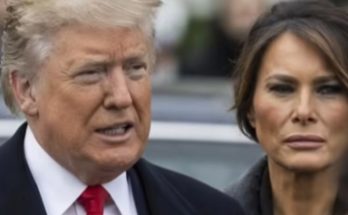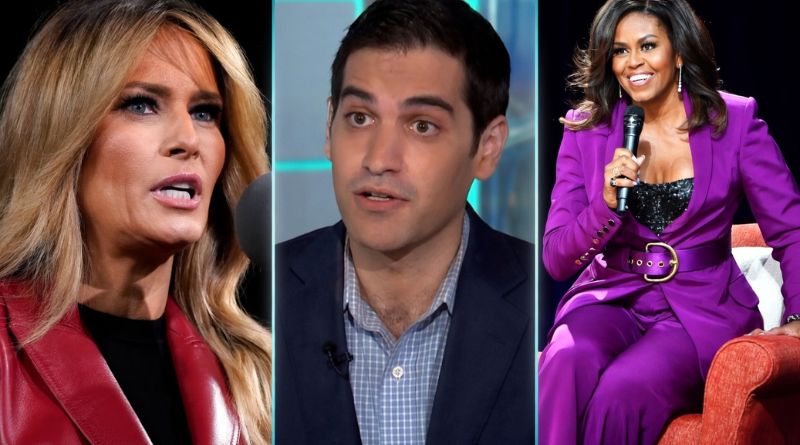
A recent discussion on CNN drew attention to declining public opinion surrounding Melania Trump, with data analyst Harry Enten pointing to what he described as historically low favorability ratings. According to the analysis, her current numbers place her significantly “underwater,” meaning more Americans view her unfavorably than favorably. Enten emphasized that this represents a notable shift compared to earlier periods, including during Donald Trump’s first term, when her ratings were substantially higher.
The conversation also placed these figures in a broader historical context. When compared with other modern first ladies—such as Michelle Obama, Laura Bush, Hillary Clinton, Nancy Reagan, and Jill Biden—Melania Trump’s ratings appear unusually low for this stage of a presidency. Enten noted that, historically, first ladies tend to maintain positive favorability, even amid political controversy, making this decline particularly striking.
CNN anchor Kate Bolduan raised an important question during the segment: why has public perception shifted so dramatically? While the data itself highlights the trend, interpretations of the reasons behind it vary widely. Some observers point to Melania Trump’s relatively limited public engagement compared to her predecessors. Unlike figures such as Michelle Obama, who championed high-profile initiatives, Melania maintained a more reserved presence, focusing on her “Be Best” campaign but appearing less frequently in major public or political moments.
Others argue that public opinion of a first lady is often closely tied to perceptions of the president and the broader political environment. During times of heightened polarization, figures associated with an administration may experience sharper swings in approval ratings. In this sense, Melania Trump’s numbers may reflect not only views about her personally but also broader attitudes toward her husband’s presidency and policies.
It is also important to distinguish between measured data and opinion-based commentary. While polling can provide insight into public sentiment, the more extreme characterizations that sometimes accompany political discussions—especially on social media—are not the same as verified facts. They often reflect partisan perspectives rather than objective analysis.
Historically, first ladies have navigated a complex role that blends public service, personal advocacy, and symbolic representation. Some have embraced highly visible platforms, while others have chosen a quieter approach. Melania Trump’s tenure appears to fall into the latter category, which may contribute to the way she is perceived by the public.
Ultimately, favorability ratings are a snapshot in time, shaped by context, media coverage, and shifting public priorities. How Melania Trump is viewed in the long term will likely depend on how historians interpret both her actions and the era in which she served.