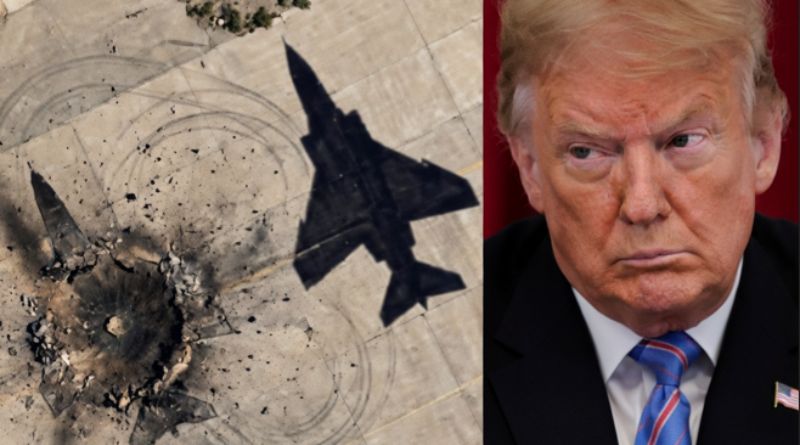
Iran’s Painted Warplanes: Training Exercise, Not a Threat A recent viral headline claimed that Iran had painted warplanes on concrete, sparking widespread alarm across social media. Images circulated rapidly, with some interpreting them as a sign of imminent military action. Yet, the reality is far less threatening — and the incident offers insight into military strategy, media literacy, and the power of sensational headlines.
What Really Happened
Reports indicate that the images were part of Iranian military training exercises. Paintings of aircraft on concrete or mock-ups are commonly used in military drills to train personnel, simulate targets, or act as decoy installations. The goal is preparation and strategic readiness, not offensive action.
Experts explain that decoys and camouflage have been a longstanding part of military practice:
- Decoy airfields: Countries have historically used painted or inflatable aircraft to mislead reconnaissance satellites and enemy intelligence.
- Training exercises: Mock-ups allow pilots and ground forces to practice tactics safely without risking equipment or personnel.
- Psychological operations: In some cases, visual simulations can create uncertainty for observers, though they are rarely used as active threats.
In this case, the warplane images were strictly for training. There were no casualties, attacks, or active threats.
Why the Story Went Viral
The initial headline and images spread quickly because readers often saw them without context. Social media algorithms amplify content that triggers strong emotional reactions, which explains the rapid circulation. Several factors contributed to the virality:
- Fear Factor: Military-related headlines naturally provoke concern.
- Incomplete Information: Many users only saw images or truncated headlines, leading to assumptions of immediate danger.
- Curiosity and Sharing: Social media users frequently share content without reading the full story.
Psychologists note that humans are wired to pay attention to potential threats, which helps explain why fear-driven content spreads faster than neutral or reassuring news.
Public Reactions
Reactions to the viral story ranged from panic to relief. Some feared military escalation, speculating about regional conflict. Others, upon reading full reports, expressed relief that the images reflected exercises rather than attacks. Critics also condemned media outlets for sensationalist coverage, arguing that clickbait exploits fear to drive engagement.
Media ethics experts emphasized:
“The incident demonstrates the need for critical reading. Viral content often exaggerates minor events into perceived crises. Responsible reporting is essential to avoid unnecessary panic.”
A Historical Perspective on Military Decoys
Painted or fake aircraft are not new. Military historians cite numerous examples:
- World War II: Both Allies and Axis powers used decoy tanks, planes, and inflatable ships to mislead enemy reconnaissance.
- Cold War: Decoy missile silos and mock installations were employed to confuse opposing intelligence.
- Modern applications: Many countries continue to use painted markings or inflatable decoys to protect assets from surveillance or targeting.
These strategies aim to reduce risk to personnel and equipment and improve strategic readiness, not to initiate attacks.
Lessons in Media Literacy
The viral “Iran painted warplanes” story illustrates the importance of careful consumption of information:
- Verify before sharing: Check full stories and credible sources before reacting.
- Understand context: Headlines and images alone can be misleading, especially in military matters.
- Avoid panic-driven assumptions: Sensationalized content often exaggerates events.
- Promote responsible discussion: Adding context when sharing online helps prevent misinformation.
Experts recommend relying on verified news outlets, official statements, and defense analysts to understand events accurately.
The Role of Social Media
Social platforms can unintentionally amplify fear. Algorithms favor engagement, often boosting sensationalist posts, which can distort perception and make minor events appear major. Misinterpretations can even affect international perspectives if viral posts are seen as indicators of conflict. Digital literacy programs stress critical thinking, source evaluation, and fact-checking before sharing online.
Key Takeaways
- No Immediate Threat: The painted warplanes were part of military exercises, not an attack.
- Military Strategy at Work: Decoys and training exercises are routine methods to prepare personnel and protect assets.
- Media Literacy Matters: Sensational headlines can exaggerate events; verification is essential.
- Global Perspective: Stories like this highlight the interplay between military activity, media coverage, and public perception.
Conclusion
The viral story of Iran painting warplanes on concrete demonstrates how images and headlines can shape public perception. While the visuals caused concern, they were harmless representations of routine training exercises. For the public, this serves as a reminder to approach news critically, verify information, and understand the context behind sensational headlines. In today’s digital landscape, both media outlets and readers share the responsibility to ensure information is interpreted accurately, fostering a more informed and less reactive public.