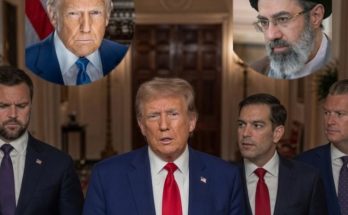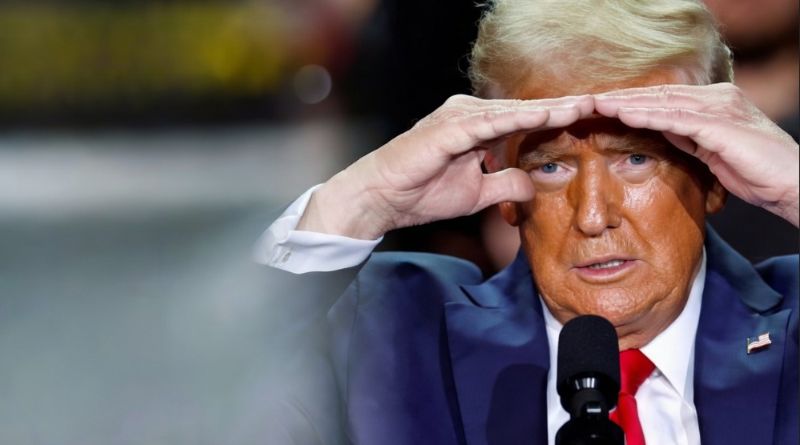
On a single Saturday, one of the world’s most volatile confrontations abruptly intensified. Sirens sounded in Tehran, alerts flashed across Tel Aviv, and urgent calls moved through Washington. In a matter of minutes, long-standing red lines dissolved into open confrontation. Oil markets jolted, diplomats rushed to contain the fallout, and military planners quietly discussed the possibility that events had crossed a dangerous threshold. What had been described as a “decisive action” now risks reshaping the geopolitical landscape in ways few expected so quickly.
The strikes on Iran’s nuclear facilities—most notably the heavily fortified Fordo site—did more than damage infrastructure. They shattered the decade-long assumption that the crisis could be indefinitely managed through ambiguity, partial agreements, and carefully calibrated pressure. By openly embracing a strategy of preemption, Washington forced every major actor—from Tehran to Tel Aviv, from Brussels to Beijing—to reconsider what level of risk they are prepared to tolerate.
Iran’s declaration that it will “reserve all options” points toward a likely shift into the shadows of conflict: cyber operations, proxy engagements, and strategic pressure on critical global chokepoints such as the Strait of Hormuz. In such a narrow corridor, even a minor miscalculation could drive oil prices sharply upward and inflame regional tensions.
Meanwhile, as the United Nations debates legality and allies argue over strategy, a quieter and more unsettling reality is emerging. The familiar diplomatic playbook may no longer apply. Traditional inspections could give way to forceful “kinetic verification,” while deterrence risks evolving into a constant state of brinkmanship. Whether this moment produces a tense but enforced stability—or sparks a broader conflict—will depend on decisions made quietly, under pressure, by leaders who increasingly understand that the middle ground is disappearing.