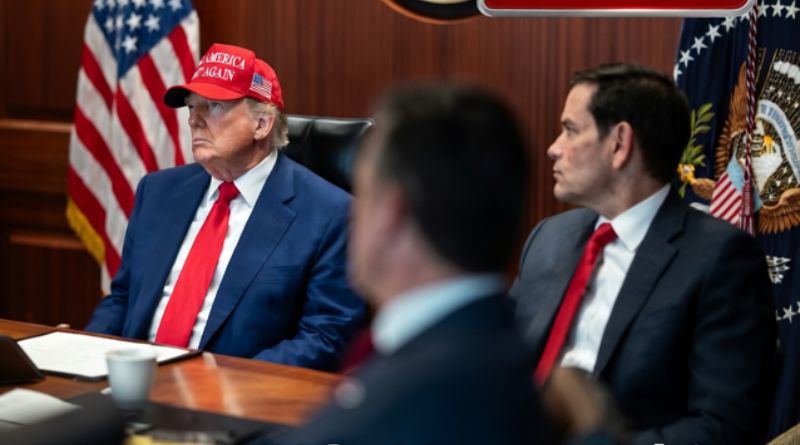
Marco Rubio Comments on Iran Strikes and a Shifting Global Order Following recent U.S. and Israeli military operations targeting Iran, Senator Marco Rubio addressed reporters on Saturday, emphasizing that global geopolitics are changing rapidly. Rubio said the international order he grew up with “no longer exists” and that the world has entered a new geopolitical era, requiring fresh strategic thinking. Rubio stressed that these shifts demand a reevaluation of Western nations’ roles on the global stage. He encouraged the United States’ allies to work closely with Washington to develop a new strategic approach. According to the senator, these discussions have already taken place privately with allied nations, and he emphasized the need to continue ongoing dialogue to navigate the evolving geopolitical environment.
Congressional Notification and Oversight
The military action against Iran also prompted questions about congressional oversight and authorization. Critics asked whether the strikes had received proper approval from Congress.
White House Press Secretary Karoline Leavitt clarified that senior congressional leaders were notified in advance of the operation. Rubio reportedly briefed seven of the eight members of the so-called “Gang of Eight,” which includes key leaders from the House and Senate intelligence committees. Leavitt confirmed that this notification occurred prior to the joint U.S.-Israeli operation, consistent with established procedures for keeping Congress informed on major intelligence and military actions.
Trump’s Oversight from Mar-a-Lago
The developments unfolded while former President Donald Trump monitored the situation from his Mar-a-Lago residence in Florida. White House officials reported that Trump was joined by members of his national security team and maintained direct communication with Israeli Prime Minister Benjamin Netanyahu.
House Speaker Mike Johnson confirmed that congressional leaders had been briefed earlier in the week about potential military action against Iran. These briefings ensured that key lawmakers were informed, even as questions about the extent of congressional authorization persisted.
Debate Over War Powers
The strikes reignited a broader debate in Congress regarding presidential war powers. Some lawmakers argued that such operations require explicit congressional approval. Representative Thomas Massie described the strikes as “acts of war unauthorized by Congress,” a statement that drew widespread attention online.
Massie, alongside Representative Ro Khanna, had been preparing legislation aimed at restricting future military actions against Iran, forcing a formal vote in Congress before additional strikes could occur. The White House emphasized that briefing congressional leaders, particularly the Gang of Eight, complies with the National Security Act of 1947, which requires Congress to be informed of significant intelligence operations. Historically, administrations have interpreted notification of this group as fulfilling their legal obligations.
Iran’s Designation for Wrongful Detention Practices
In a related development, Rubio announced that Iran has been designated as a state sponsor of wrongful detention. He traced the practice back 47 years to the rise of Ayatollah Khomeini, when U.S. embassy personnel were taken hostage. Rubio stated that Iran has continued detaining foreign nationals for political leverage, a practice affecting both Americans and citizens of other countries.
Rubio highlighted that Trump had signed an executive order addressing wrongful detention abroad last fall, and Congress subsequently passed the Countering Wrongful Detention Act of 2025. Rubio insisted that Iran must release Americans being unjustly detained in the country. He noted that compliance could potentially end Iran’s designation and related measures, underscoring the importance of resolving wrongful detention cases to restore diplomatic and security norms.
Rubio’s comments and the related developments underscore a period of heightened tension and evolving strategic calculations in the Middle East. With the U.S. and its allies facing a rapidly changing global order, congressional oversight, presidential war powers, and human rights issues like wrongful detention remain central to the policy debate. The situation highlights the complexity of modern geopolitics, where military, diplomatic, and legal considerations intersect.