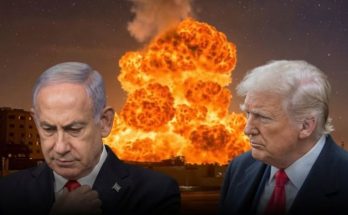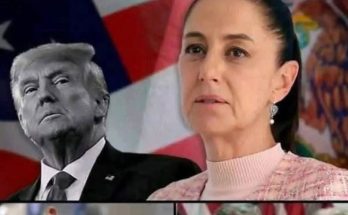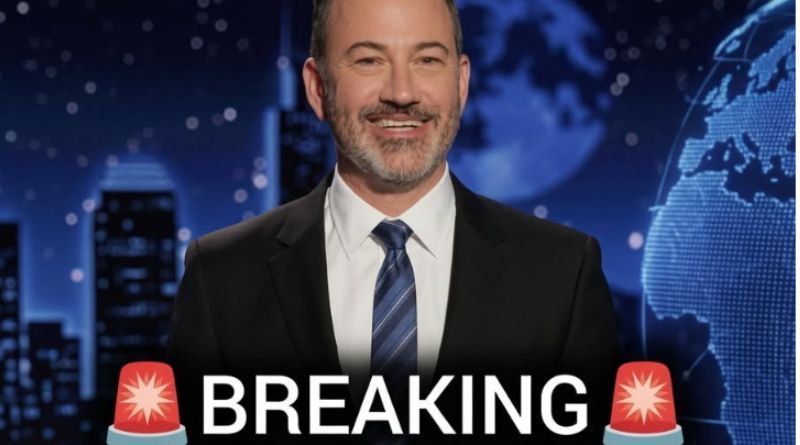
The controversy surrounding Jimmy Kimmel’s remark took on a far more serious dimension after the attempted assassination of Donald Trump. What had initially been dismissed by some as late-night comedy suddenly became the center of a national debate. Kimmel’s joke about Melania Trump becoming an “expectant widow” was revisited in light of the shooting, prompting fierce criticism from Trump supporters and renewed scrutiny of the boundaries of political humor.
Donald Trump reacted with anger, while Melania Trump publicly expressed the fear and anxiety that followed the attack. The timing of Kimmel’s comments transformed what might have remained a fleeting television moment into a symbol of a broader cultural conflict. Critics argued that such rhetoric contributes to an increasingly hostile political environment, while defenders maintained that comedy should not be blamed for the actions of a violent individual.
Addressing the controversy on air, Kimmel acknowledged that the timing of the joke now appeared deeply unfortunate. However, he rejected the suggestion that it had encouraged violence or carried any hidden prediction. According to Kimmel, the joke was aimed at themes of power, age, and public perception—not death. He emphasized that throughout his career he has frequently criticized gun violence and the culture surrounding it, making clear that he viewed the shooting as a tragedy rather than a punchline.
At the same time, Kimmel pushed back against calls for his cancellation or punishment. He argued that political discourse in the United States had already become saturated with insults, dehumanizing language, and inflammatory rhetoric long before his monologue aired. In his view, focusing solely on a comedian’s joke ignored a much larger problem embedded in the nation’s political culture.
What remained after the headlines faded was not merely a dispute over comedy. The episode exposed a growing uncertainty about the role of language in a deeply polarized society. Melania Trump’s fear, Donald Trump’s outrage, Kimmel’s refusal to apologize for intent he says he never had, and the public’s discomfort all converged into a larger question. In an era when political rhetoric can feel increasingly combustible, where does satire end, where does responsibility begin, and who should be expected to lower the temperature first?