The first explosions did more than damage military sites and buildings. They also shattered hopes that tensions in the Middle East could still be controlled through diplomacy alone. As reports emerged that the United States and Israel had carried out coordinated airstrikes against targets inside Iran, governments around the world reacted with alarm, fearing the conflict could expand far beyond the region.
Global financial markets responded immediately. Oil prices surged, investors rushed toward safer assets, and international leaders called for restraint. Across capitals in Europe, Asia, and the Middle East, officials worried that the attacks could spark a larger confrontation involving multiple countries and armed groups.
According to U.S. and Israeli officials, the strikes were part of a military campaign reportedly called Operation Epic Fury. The operation was described as an effort to weaken Iran’s military infrastructure and disrupt parts of its nuclear and missile programs. Officials claimed the targeted facilities posed what they believed to be an immediate security threat and argued that the strikes were intended to prevent future attacks against American and Israeli interests.
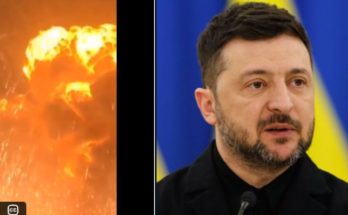
Videos and photographs shared online appeared to show major damage at several sites, including military compounds and air-defense systems. Some footage captured large explosions and thick smoke rising into the night sky. Iranian state media, however, reported that parts of the attack had been intercepted and insisted that the country’s defense systems had responded effectively.
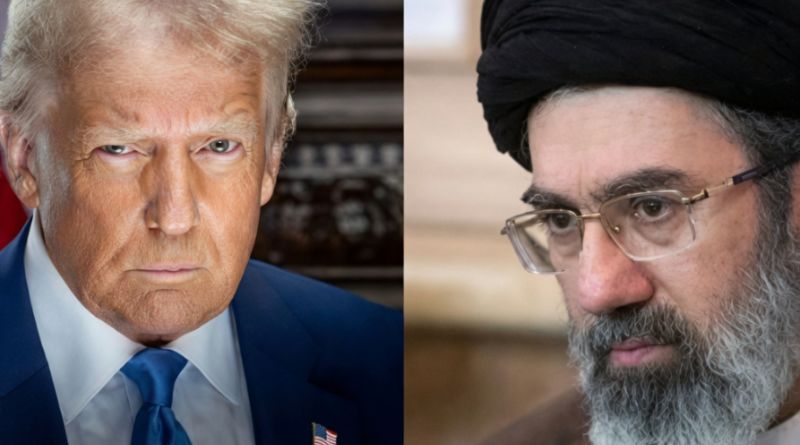
Iranian leaders strongly condemned the strikes and warned that retaliation would follow. Senior officials promised what they called a “devastating revenge,” increasing fears that the violence could quickly spread across the region. Analysts warned that any direct retaliation against U.S. or Israeli targets could trigger an even broader military response.
Behind closed doors, diplomats from Europe and other international powers began urgent discussions aimed at preventing further escalation. Several governments warned that continued attacks could destabilize the Middle East, disrupt global trade routes, and worsen already fragile international relations.
While world leaders debated possible next steps, ordinary civilians faced growing uncertainty. Families in cities including Tehran and Tel Aviv closely followed news updates, unsure whether additional strikes or retaliatory attacks might occur. For many people living in the region, the crisis became more than a political conflict. It became a deeply personal fear about safety, security, and what the coming days might bring.