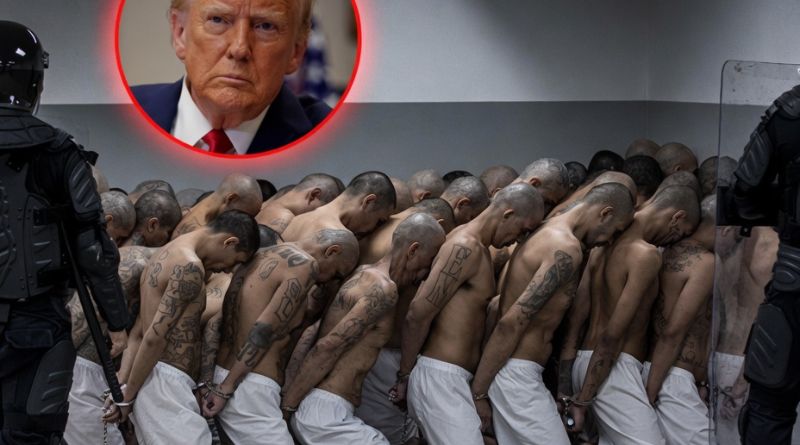
A controversial proposal has ignited nationwide debate after Donald Trump suggested the possibility of transferring certain U.S. citizens convicted of violent crimes to prisons outside the United States. Reports surrounding the idea focused heavily on facilities in El Salvador, including the country’s massive high-security prison system known for its strict discipline and harsh living conditions.
The proposal immediately drew intense attention because of the reputation these prisons have developed internationally. Images and reports from the facilities have shown tightly controlled environments where inmates live under constant surveillance, follow rigid schedules, and experience restrictions far more severe than those commonly associated with American prisons.
Supporters of aggressive anti-crime policies argued that tougher punishments could serve as a powerful deterrent against violent offenses. Some viewed the idea as part of a broader push toward stricter law enforcement measures aimed at reducing repeat violent crime and strengthening public safety.
Critics, however, warned that the proposal could raise serious constitutional and legal concerns. Legal scholars questioned whether the U.S. government could lawfully imprison American citizens in foreign facilities without violating constitutional protections, due process rights, or international human rights standards. Others argued that sending prisoners abroad could weaken oversight and accountability within the justice system.
The debate has expanded beyond criminal justice policy alone. It has evolved into a broader discussion about the limits of executive power, the treatment of incarcerated individuals, and how far governments should go in the name of security and deterrence. Human rights advocates have also expressed concern over conditions inside foreign mega-prisons and whether such environments align with American legal principles.
Although no such policy has been implemented, the proposal continues to fuel strong reactions across political and legal circles. The controversy reflects a larger national conversation about crime, punishment, civil liberties, and the balance between public safety and constitutional rights.