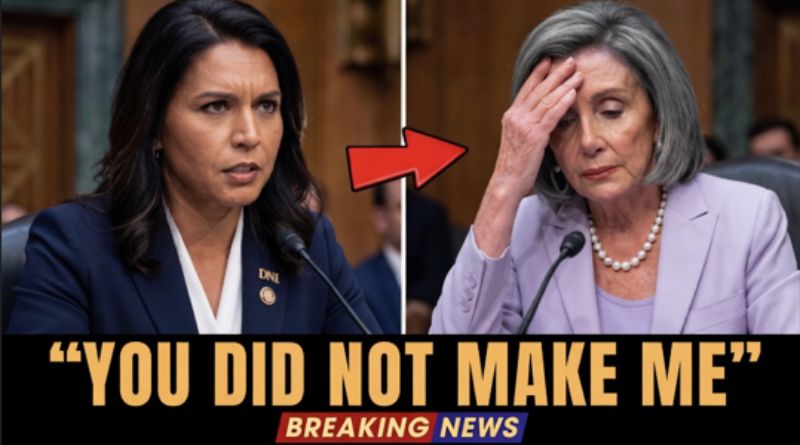
The Office of the Director of National Intelligence (ODNI) has reportedly submitted criminal referrals to the U.S. Department of Justice concerning the whistleblower complaint that played a central role in the first impeachment of Donald Trump in 2019. According to reports, the referrals also involve former Intelligence Community Inspector General Michael Atkinson, who initially brought the complaint to the attention of Congress.
In a letter referenced in the reports, the ODNI’s general counsel stated that the referral was intended to highlight information that “may constitute possible criminal activity” under federal law by one or more former intelligence community employees. The concerns reportedly stem from actions discussed during congressional briefings held at the height of the 2019 impeachment inquiry.
Documents cited by Fox News Digital indicate that the referrals specifically reference Atkinson’s testimony before the House Permanent Select Committee on Intelligence during the 116th Congress. These briefings were part of lawmakers’ efforts to examine the origins and handling of the whistleblower complaint, which ultimately led to impeachment proceedings.
The developments follow the release of newly declassified materials under Director of National Intelligence Tulsi Gabbard. Officials familiar with the documents claim they shed light on what they describe as a coordinated effort within parts of the intelligence community related to the impeachment process. Gabbard echoed this perspective publicly, suggesting that the records reveal actions by so-called “deep state” actors to shape a misleading narrative. However, such characterizations remain politically contested and have not been established as legal findings.
At the center of the controversy is the whistleblower complaint filed in August 2019, which focused on a July phone call between Trump and Ukrainian President Volodymyr Zelenskyy. The complaint alleged that Trump encouraged Ukraine to pursue investigations involving Joe Biden and his son. Democrats argued that the request amounted to a quid pro quo, suggesting that U.S. military aid was implicitly tied to political favors. Trump and his allies strongly denied this interpretation, maintaining that the call was appropriate and within the scope of presidential authority.
During his testimony, Atkinson explained that he determined the complaint met the legal definition of an “urgent concern,” which required him to notify Congress. He acknowledged that the whistleblower did not have direct, firsthand knowledge of the events described. Instead, the complaint relied on accounts from multiple U.S. officials who were considered credible at the time. Atkinson emphasized that the consistency of these accounts justified further review.
He also noted that the whistleblower may have shown signs of political bias. Nevertheless, Atkinson stated that existing law did not permit him to dismiss a complaint solely on that basis if it otherwise met the required legal standards. The whistleblower complaint itself, later declassified and released publicly, confirmed that much of the information was secondhand.
Republicans raised additional concerns during the impeachment process about the whistleblower’s reported contact with staff from the House Intelligence Committee, then chaired by Adam Schiff. Schiff acknowledged that some communication had occurred but maintained that it was limited and did not influence how the complaint was handled or advanced.
At this stage, the Justice Department has not publicly responded to the criminal referrals, and it remains unclear whether any formal investigation has been initiated. It is important to note that a criminal referral does not imply guilt or confirm wrongdoing; it simply asks federal prosecutors to evaluate whether the information presented warrants further legal action.
Overall, the situation highlights continuing disputes over the events surrounding the 2019 impeachment and the handling of the whistleblower complaint. While newly released documents have fueled renewed debate, no definitive legal conclusions have been announced, and the matter remains under review.