The death of Lou Dobbs at age 78 has reignited a long-running debate over a broadcaster who was as influential as he was divisive. Almost immediately after news of his passing, public reaction split along familiar lines—admiration from supporters who viewed him as a fearless commentator, and criticism from those who saw his work as inflammatory and politically charged.
Dobbs’s career traced a broad arc across American media. He began in radio and rose to prominence at CNN, where he became one of the network’s most recognizable early business anchors. His style—confident, assertive, and often opinionated—helped shape the tone of cable business news in its formative years. Over time, however, his focus shifted more directly into political commentary, where his rhetoric became increasingly contentious.
Immigration became one of his most defining and controversial subjects. His broadcasts frequently emphasized concerns about illegal immigration, drawing both strong support and intense backlash. Critics accused him of amplifying misinformation and contributing to a more polarized media environment, while supporters argued he was raising issues others avoided.
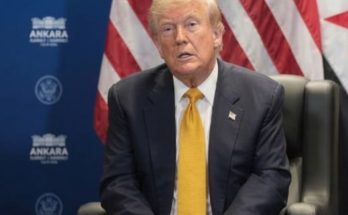
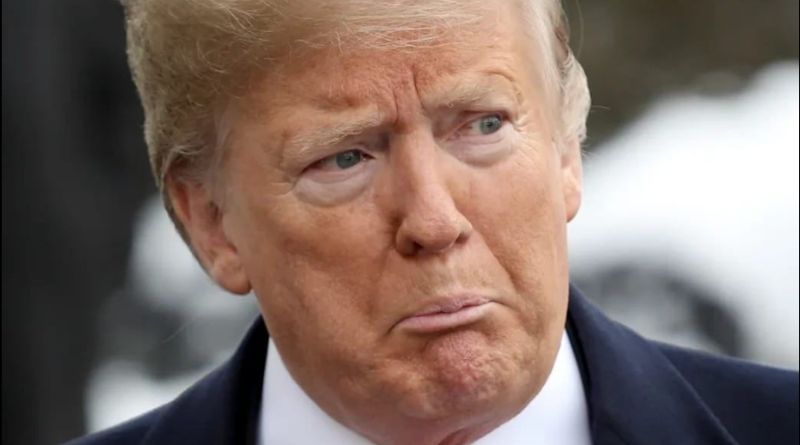
His relationship with political figures further cemented his polarizing reputation. Former President Donald Trump publicly praised Dobbs, often highlighting him as a rare mainstream media voice willing to challenge establishment narratives. That endorsement, in turn, intensified criticism from opponents who saw Dobbs as increasingly aligned with partisan messaging.
Even as disagreements over his legacy continue, many observers acknowledge his impact on the evolution of cable news. Dobbs helped pioneer a style that blurred the line between reporting and commentary, a model that has since become widespread across television news. To some, this represented innovation and authenticity; to others, it marked a departure from journalistic restraint.
He is survived by his wife, Debi, six children, and a body of work that remains sharply contested. In the aftermath of his death, the discussion surrounding him has not softened—if anything, it has underscored how deeply he shaped, and divided, the media landscape he spent decades helping to build.