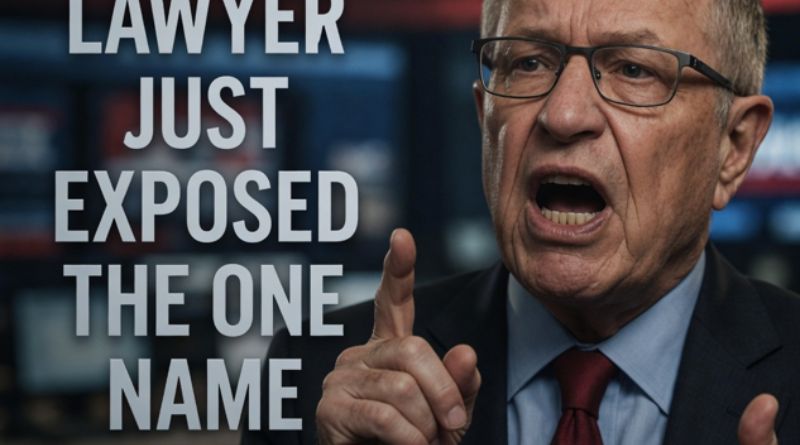
Alan Dershowitz, who previously represented Jeffrey Epstein, has pushed back against claims that the Trump administration is responsible for withholding key information related to Epstein’s case. Speaking in a televised interview with Chris Cuomo on NewsNation, Dershowitz argued that much of the secrecy surrounding the case stems from court-ordered restrictions, not decisions made by federal officials.
Addressing widespread speculation about a so-called “client list,” Dershowitz insisted that no such document exists. He explained that the idea of a list suggesting Epstein formally recorded individuals to whom he trafficked women is misleading. Instead, he said the available material consists primarily of FBI affidavits and allegations made by accusers, many of which have been redacted to remove identifying details. According to Dershowitz, the names that remain hidden are part of these redactions, not evidence of a concealed master list.
He further claimed that, based on his direct involvement in the case, he is aware of the identities behind the redacted names. However, he said he is legally prohibited from revealing them due to court orders issued by judges in New York. These restrictions, he noted, are largely intended to protect alleged victims and prevent the public release of unverified accusations. Dershowitz emphasized that such judicial decisions—not actions by Donald Trump, the Department of Justice, or Attorney General Pam Bondi—are the primary reason certain information remains out of public view.
In response to a direct question about whether the government could release additional material, Dershowitz said he was unaware of any significant information currently being withheld by federal authorities. He suggested that most of the names connected to Epstein have already surfaced through media reports, books, and prior legal proceedings. In his view, if all remaining documents were fully unsealed, the number of previously unknown individuals would likely be smaller than many expect.
Meanwhile, efforts to increase transparency have faced legal setbacks. A federal judge in Florida, Robin Rosenberg, recently denied a request to release grand jury transcripts tied to Epstein’s earlier investigations. Citing binding precedent from the Eleventh Circuit, she stated that the court lacked the authority to grant the request, underscoring the strict legal protections surrounding grand jury materials.
A similar request was also denied in a separate case involving Epstein associate Ghislaine Maxwell. Together, these rulings highlight the legal complexities that continue to limit public access to certain aspects of the Epstein case, even amid ongoing calls for greater disclosure.