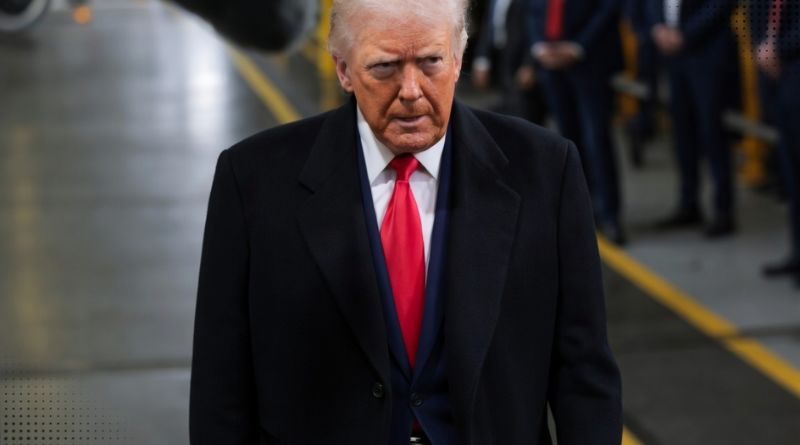
The anger did not disappear when Donald Trump left office. It lingered beneath the surface, gradually taking shape and direction. What began as scattered frustration has evolved into a coordinated push, now approaching 100,000 signatures on a single online petition. What might once have seemed like a routine digital campaign has instead become a symbolic national flashpoint. To some, it represents long-delayed accountability; to others, it is little more than a partisan spectacle. Yet the persistence of the effort raises a deeper question that continues to echo: what remains unresolved in the public’s judgment of Trump’s presidency?
The petition itself, organized by Blackout The System, carries no legal authority. It cannot trigger formal impeachment proceedings or alter constitutional outcomes. Its power lies elsewhere—in its ability to gather, display, and amplify public sentiment. Each signature serves as a visible marker of dissent, a small but collective statement that, for many Americans, the debate over Trump’s actions and legacy is far from settled. Supporters frame it as a necessary moral reckoning, an insistence that allegations of corruption, self-interest, and broken trust should not simply fade into history. Critics, however, dismiss it as political theater, arguing that it reopens old divisions without offering meaningful resolution.
Despite these opposing interpretations, both sides are reacting to the same underlying truth: Trump’s influence has not diminished with time. Instead, it continues to shape the contours of political debate, defining alliances, deepening divisions, and influencing how Americans interpret both past and present events.
As the number of signatures continues to rise, the petition becomes less about the mechanics of impeachment and more about the struggle over collective memory. It highlights how digital platforms have extended the lifespan of political conflicts, allowing them to evolve beyond official institutions and into the realm of public participation. In an era marked by polarization, even a simple online form can transform into a powerful symbol—one that reflects an ongoing battle over accountability, narrative, and who ultimately determines how history is remembered.