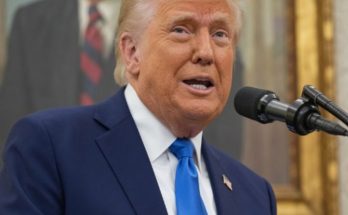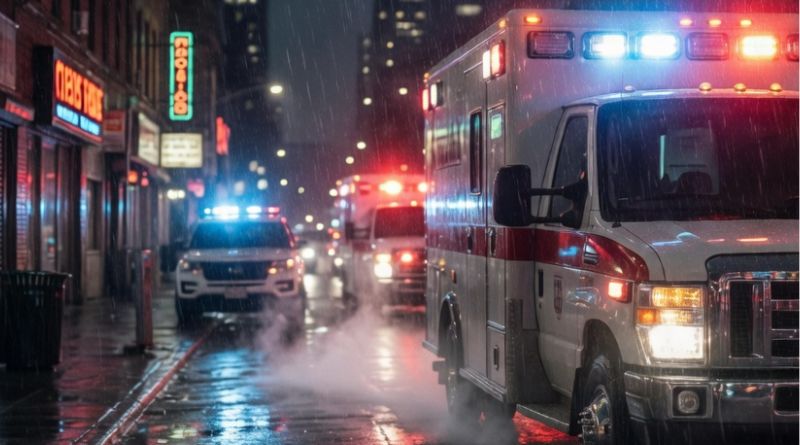
In today’s fast-moving digital environment, news involving prominent public figures can spread globally within minutes. Reports concerning health-related events, in particular, tend to generate widespread attention, discussion, and speculation. Recently, claims circulated online suggesting that President Donald Trump had been hospitalized at Walter Reed National Military Medical Center following sudden health concerns. While such reports quickly gained traction over the Easter weekend in early April 2026, they were promptly denied by the White House, with no credible evidence emerging to support them. This episode underscores the need to approach unverified claims with careful consideration, focusing on confirmed information and responsible interpretation.
Initial Reports and What They Claimed
On Saturday, April 4, 2026, social media platforms buzzed with unverified posts alleging that the 79-year-old president had been rushed to Walter Reed for medical evaluation. Some accounts pointed to reported road closures or flight restrictions near the facility in Bethesda, Maryland, as supposed evidence. Others shared recycled videos or AI-generated images to bolster the narrative. At the time, Trump had made no public appearances for several days, and the White House had issued a routine “travel/photo lid,” indicating no expected sightings of the president for the remainder of the day. These elements created a vacuum that speculation quickly filled.
Early-stage reports like these are common with high-profile individuals. Limited details often circulate before official clarification, especially when public schedules shift unexpectedly. In this case, however, the claims remained unsubstantiated.
White House Response and Official Denials
The White House moved quickly to address the rumors. Communications Director Steven Cheung posted on X (formerly Twitter), stating that President Trump had been “working nonstop in the White House and Oval Office.” The administration’s rapid response account dismissed the speculation as conspiracy theories, noting that critics were fabricating stories simply because the president had gone a short time without public appearances. Officials emphasized that Trump was actively working, including on matters such as the rescue of a U.S. Air Force officer.
No official medical statements, photographs, or independent confirmations supported the hospitalization claims. Trump reappeared publicly shortly afterward, including at the White House Easter Egg Roll on April 6, where he appeared in good health and interacted with reporters. Signs of normal activity, such as a Marine sentry at the West Wing, further indicated he remained at the White House during the period in question. Fact-checkers and major outlets found no evidence of any medical emergency.
The Role of Precautionary Medical Evaluations
It is worth noting that being transported to a hospital does not always signal a serious condition. Precautionary evaluations are standard, particularly for public figures with demanding schedules. These may involve routine diagnostic tests, monitoring of vital signs, or brief observational care to rule out issues.
For presidents, such steps often receive heightened scrutiny due to national security and public interest considerations. Walter Reed has hosted previous presidential visits for everything from annual physicals to more notable events. However, in this instance, the White House explicitly denied any visit or health crisis, framing the online chatter as baseless.
Public Reaction and Social Media Impact
The rumors spread rapidly across platforms like X, Bluesky, Reddit, and Facebook. Many users expressed concern, posting messages of support and well wishes. Others speculated about the implications for the administration or shared unverified “evidence.” Within days, mentions of “Trump” and “Walter Reed” surged dramatically in online discussions.
This reaction highlights both the connective power of social media and its vulnerabilities. Emotionally charged topics—health scares involving leaders—drive shares and engagement. At the same time, the absence of immediate visuals or statements fueled assumptions, with some accounts repurposing old footage from unrelated events, such as the 2024 assassination attempt in Pennsylvania.
Why News About Public Figures Spreads Quickly
Several factors explain the velocity of such stories:
- High Public Interest: As a sitting president and polarizing figure, any development involving Trump draws global attention.
- Media and Platform Dynamics: Digital outlets and algorithms prioritize content that sparks curiosity or debate.
- Information Vacuums: When official schedules go quiet, speculation fills the gap.
- Amplification Effect: Users with large followings can unintentionally—or deliberately—accelerate unverified claims.
In this case, the combination of a quiet weekend, a standard press lid, and partisan tensions created fertile ground for rumors.
The Importance of Verified Information
In fast-evolving situations, relying on credible sources remains essential. Official statements from the White House, recognized news organizations, and fact-checking outlets provide the most reliable guidance. Experts recommend waiting for confirmed updates, cross-checking details, and avoiding the spread of unverified claims. Acting otherwise can contribute to misinformation and unnecessary public anxiety.
Here, major outlets and independent verifiers consistently reported the lack of evidence for hospitalization. The episode serves as a reminder that preliminary social media posts should be treated cautiously until corroborated.
Managing Speculation in the Digital Age
The rapid dissemination of unconfirmed information can create undue concern, distract from substantive issues, and erode trust. Responsible communication involves patience and verification. Media organizations play a key role by distinguishing facts from speculation and updating stories as new details emerge.
Public figures like presidents undergo regular health monitoring, and occasional schedule changes are normal. Without concrete confirmation, jumping to conclusions about severity is unwise.
A Balanced Perspective and Broader Context
While reports of potential health issues understandably prompt worry, maintaining perspective is vital. Precautionary medical steps are routine in high-stakes roles. In this specific case, the claims proved unfounded, with the president resuming visible duties without incident.
Health-related news about leaders often carries international weight, influencing markets, politics, and public discourse. Yet the interconnected digital landscape also demands greater individual discernment. Global audiences followed this story closely, reflecting how modern media blurs lines between rumor and reality.
Conclusion
The circulating claims about President Trump’s alleged hospitalization over the 2026 Easter weekend illustrate the speed and challenges of information flow today. Initial speculation arose from a quiet schedule and unverified social media posts, but the White House firmly denied any medical emergency, and no supporting evidence materialized. Trump continued working and appeared publicly soon after, underscoring that the reports were unsubstantiated.
This incident highlights the enduring importance of verification, patience, and critical thinking. In an era of instant connectivity, distinguishing verified facts from speculation helps foster a more informed and responsible public conversation. As consumers of news, we all share responsibility for slowing the spread of unconfirmed claims and prioritizing accuracy over speed.