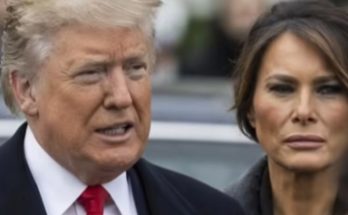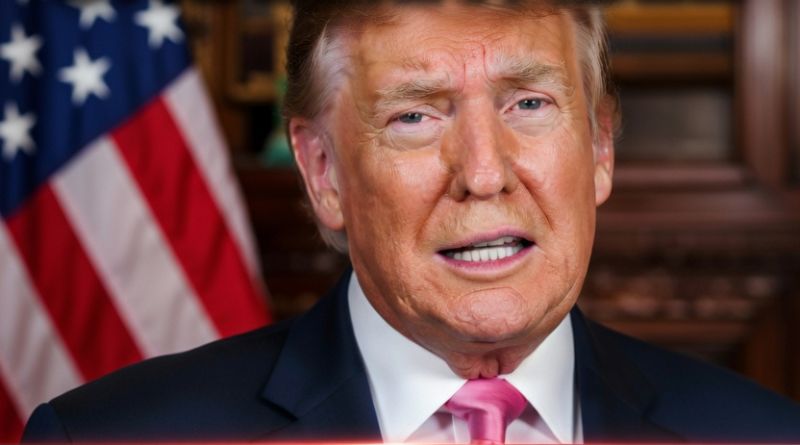
On that Thursday, the American justice system reached an unprecedented milestone: a former president of the United States was formally charged with conspiring against the very government he once led. The indictment accuses Donald Trump of conspiring to defraud the United States, obstructing—and attempting to obstruct—the certification of the 2020 presidential election, and violating constitutional rights tied to the lawful transfer of power.
At the center of the case lies a sweeping allegation: that efforts to overturn the election results were not merely political maneuvering or rhetorical escalation, but part of a coordinated strategy aimed at disrupting a constitutionally protected democratic process. Prosecutors argue that these actions struck at the foundation of the electoral system itself, testing the resilience of institutions designed to ensure peaceful transitions of power.
Reactions across the country remain deeply divided. To some, the charges represent long-awaited accountability applied without regard to status or power. To others, they are seen as a politically charged escalation against a figure they continue to view as legitimate and unfairly targeted.
As the case moves from public debate into the courtroom, the stakes shift dramatically. The outcome will no longer be shaped by media narratives or political rallies, but by legal arguments and judicial rulings. Regardless of the verdict, the proceedings are poised to leave a lasting imprint on American political life, reshaping how power, accountability, and democratic trust are understood for years to come.