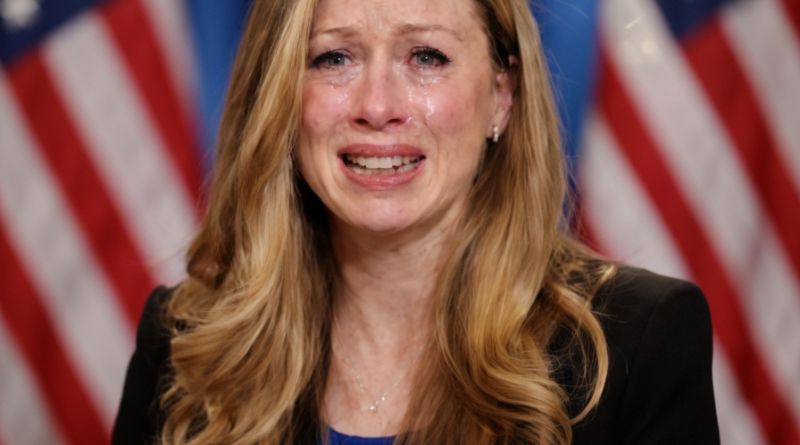
The new initiative also highlights the broader ecosystem of organizations and partnerships that have shaped Chelsea Clinton’s work in recent years. Rather than operating in isolation, her efforts have typically been embedded within larger networks of public health researchers, nonprofit leaders, and educational advocates. This collaborative approach has allowed her to engage with complex, multi-layered challenges—such as disparities in childhood health outcomes and uneven access to early education—by supporting programs that are already active on the ground.
A key feature of the initiative is its emphasis on early intervention. Advocates involved in similar work often point out that improvements in childhood health care and education produce long-term benefits that extend well into adulthood, influencing everything from economic mobility to community stability. Clinton’s focus on this stage of development aligns with a broader consensus in the public health and education sectors that early access to resources can significantly reduce inequality over time.
The initiative also arrives at a moment when public attention to health care access and educational equity remains high, particularly in the aftermath of recent global disruptions that exposed gaps in both systems. In that context, efforts aimed at strengthening foundational services for children have gained renewed urgency among policymakers and nonprofit leaders alike. Clinton’s visibility in this space adds another high-profile voice to ongoing discussions about how to address these structural issues effectively.
Observers note that while her surname inevitably draws media interest, her work has increasingly been evaluated on its own terms. Over time, she has developed a professional identity associated with program oversight, research engagement, and advocacy coordination rather than political commentary. This has contributed to a perception of her as a steady presence in the nonprofit sector, particularly in initiatives that bridge public health and education policy.
At the same time, the increased visibility of this initiative raises questions about how public figures with prominent family legacies navigate expectations of leadership. For Clinton, maintaining a clear distinction between advocacy work and electoral politics has been a consistent theme. She has repeatedly signaled that her interests lie in supporting institutions and initiatives rather than pursuing formal political office, even as external speculation occasionally resurfaces.
Still, the scale and framing of the current project suggest an effort to amplify impact through greater public engagement. By elevating the visibility of her work, the initiative may help attract additional attention and resources to the issues it addresses. Supporters argue that this kind of platform can be valuable when applied to long-standing challenges such as unequal access to health care, under-resourced schools, and gaps in community support systems.
As the initiative develops, its effectiveness will likely be measured less by public attention and more by outcomes on the ground—whether it succeeds in expanding access, improving services, and creating measurable improvements in the lives of children and families it aims to serve.