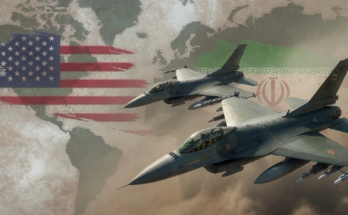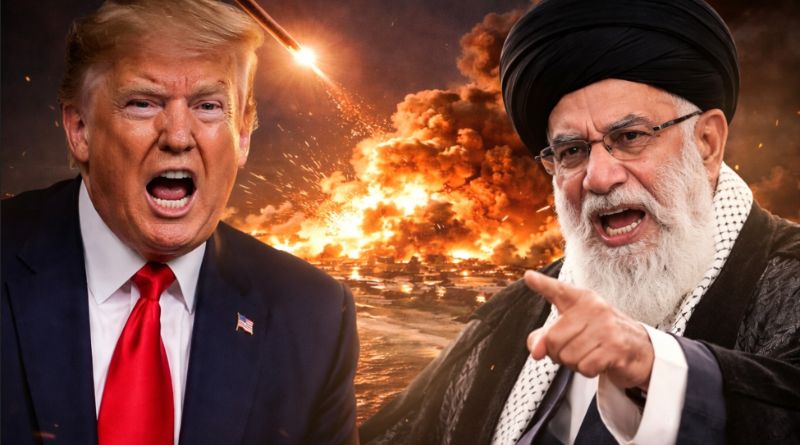
A storm of fire nearly ignited one of the world’s most fragile chokepoints.
What began as a routine U.S. naval transit through the Strait of Hormuz reportedly escalated within minutes into a high-stakes exchange of missiles, countermeasures, and retaliatory strikes. Global markets stalled, military command centers surged to life, and analysts across continents converged on a single word: escalation. In that brief window, the line between controlled tension and outright conflict narrowed to a razor’s edge.
On March 1, 2026, the familiar rhythm of patrols and warnings in the Strait appears to have fractured, if only momentarily, into the stark realities of modern warfare. Anti-ship missiles launched from the Iranian coastline cut across the sky, met by U.S. interceptors racing upward in response. Electronic warfare systems engaged in a silent but critical battle, attempting to disrupt targeting systems and blind opposing radars. Each action unfolded in seconds, yet carried implications that could reverberate for years. Though no U.S. vessel was reportedly struck, the absence of physical damage does little to diminish the significance of a moment when long-standing, unspoken boundaries were so visibly tested.
The swift American counterstrikes on suspected launch positions underscored both operational capability and the inherent risks of rapid escalation. Every radar installation disabled and every missile battery targeted introduced a deeper layer of uncertainty. The central question sharpened quickly: how close had the region come to a broader and potentially uncontrollable conflict?
In a waterway as narrow and strategically vital as the Strait of Hormuz, miscalculation is not an abstract concern but a constant and immediate خطر. Incidents like this are rarely isolated; they become case studies—examined in war colleges, debated in policy circles, and scrutinized in intelligence briefings. More than a fleeting clash, this episode serves as a stark warning of how quickly routine military encounters can unravel.
What follows may prove even more consequential than the event itself. Whether leaders interpret this moment as a cautionary lesson in restraint or merely another step in an ongoing cycle of brinkmanship could determine whether the next confrontation remains contained—or crosses a threshold from which there is no easy return.