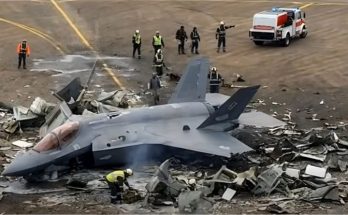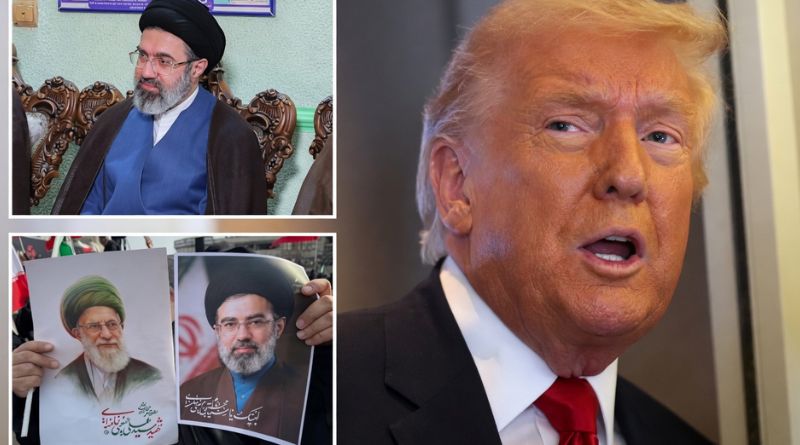
The opening moments of the strikes did more than damage infrastructure—they shattered any lingering belief that the conflict could still be contained. As reports emerged of coordinated air operations by the United States and Israel targeting sites inside Iran, it became clear that a volatile new phase had begun.
In Tehran, military officials moved quickly to assess the scope of the damage and determine next steps. Across the region, allied governments reacted with caution, wary of being drawn into a broader confrontation. Global markets responded almost instantly, reflecting deep uncertainty about what might come next. A single question echoed from policy circles to everyday households: could this escalation ignite a wider war?
According to officials in Washington and Jerusalem, the strikes were part of a coordinated campaign—reportedly called “Operation Epic Fury”—aimed at weakening Iran’s military capabilities and disrupting elements of its nuclear program. They framed the operation as a preemptive measure, arguing that the targeted infrastructure posed an imminent threat and that action was necessary to prevent future attacks.
Visual evidence circulating online appeared to show significant damage to military compounds and air-defense systems. Iranian state media, however, countered that portions of the ആക്രമation had been intercepted and emphasized that the country retained defensive capabilities. At the same time, Tehran signaled a firm response, with leaders warning of what they described as “devastating revenge.”
Those statements heightened fears that the situation could spiral beyond a limited exchange. Even a restrained retaliation could trigger a cycle of action and counteraction, drawing in regional actors and complicating efforts to contain the crisis.
Behind the scenes, diplomatic channels became increasingly active. European governments and other international stakeholders called for restraint, stressing that further escalation could destabilize an already fragile region. The urgency of those appeals reflected how quickly the situation could shift from a contained military action to a broader geopolitical crisis.
For civilians, the uncertainty was immediate and deeply personal. In cities like Tehran and Tel Aviv, families monitored developments in real time—refreshing news feeds, listening for warning sirens, and bracing for what might follow. For many, the central concern was no longer just the strikes themselves, but whether they marked the beginning of a prolonged and far-reaching conflict.