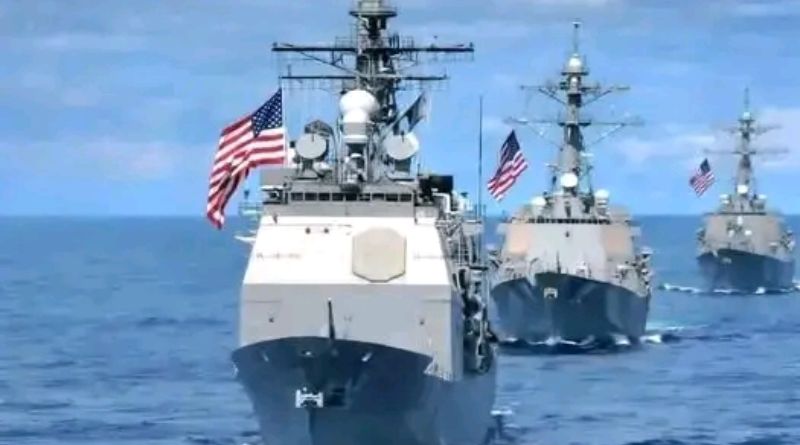
When people see a headline like “Breaking News: The U.S. Launches the War…”, emotions spike instantly. Fear, curiosity, anger, and confusion can all hit at once. But before panic takes over, it’s important to understand how these headlines are crafted, what they usually imply, and what actually happens when the United States becomes involved in a military conflict.
First, let’s be clear: headlines like this are often intentionally incomplete. The phrase “launches the war” is dramatic but vague. It leaves out critical details—where, against whom, and under what circumstances. This style is commonly used on social media to drive clicks rather than deliver verified information. In many cases, the full story turns out to involve military exercises, strategic warnings, defensive actions, or political signaling—not a full-scale war.
Historically, the United States does not enter wars suddenly or in secret. Major military actions are typically preceded by months or even years of rising tensions, diplomatic negotiations, sanctions, intelligence assessments, and public warnings. Congress, allied nations, international organizations, and the media are usually engaged long before any large-scale deployment occurs.
It’s also important to distinguish between military operations and war. The U.S. regularly conducts limited actions—such as targeted airstrikes, peacekeeping missions, or defensive responses to threats. These are often mislabeled as “war” in viral posts, even when they don’t meet the legal or political definition of one.
Social media plays a major role in amplifying confusion. Algorithms tend to favor content that provokes strong emotional reactions, especially fear and urgency. As a result, alarming headlines spread faster than calm, verified reporting. This creates space for misinformation, exaggeration, and even recycled old news presented as if it were happening in real time.
If the United States were truly entering a major war, the signals would be unmistakable. There would be official announcements, emergency briefings, and coordinated statements from the White House and the Pentagon. Major international news outlets would provide continuous coverage. Financial markets would react, airlines might adjust routes, and governments around the world would issue travel or security advisories. A single vague headline with a “See More” link is not how real wars are announced.
That said, global tensions are real, and they do matter. Conflicts involving major powers can affect energy prices, global trade, migration, and international security. Staying informed is essential—but it requires relying on credible sources, not panic-driven content.
The smartest approach is simple:
- Pause before reacting
- Verify with trusted news outlets
- Look for official statements
- Avoid sharing headlines designed to provoke fear
In today’s digital world, not every “Breaking News” alert is truly breaking—and not every dramatic headline reflects reality. Understanding that difference protects not only your peace of mind, but also the people who depend on you for accurate, thoughtful information.