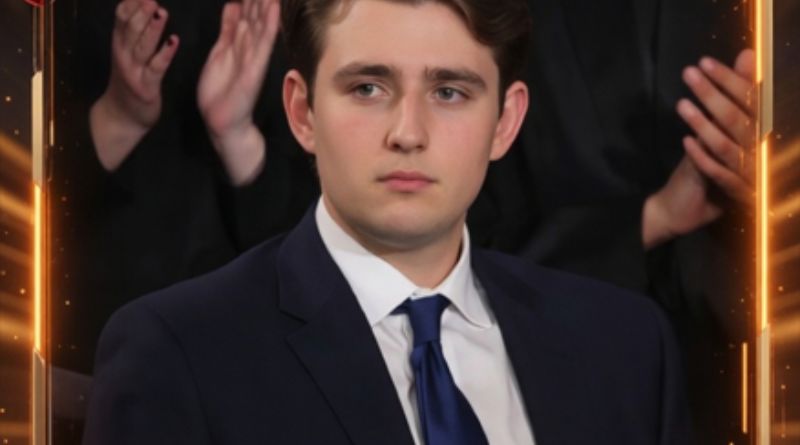
During one of the most tense geopolitical moments in recent years, a curious phrase began circulating widely on social media: #SendBarron. At first glance, the hashtag looked like a serious call to send Barron Trump, the teenage son of Donald Trump, into military service. In reality, it was never intended as a genuine proposal. Instead, it emerged as satire—a pointed commentary on leadership, privilege, and the human cost of war.The phrase originated from a parody website created by writer Toby Morton. Known for launching satirical political domains, Morton built DraftBarronTrump.com to mimic the tone of patriotic campaign sites while exaggerating their language for comedic and critical effect. The site features fabricated quotes supposedly from members of the Trump family and grandiose statements about strength and patriotism, all designed to highlight a provocative idea: if political leaders advocate for military action, perhaps their own families should share the risks.
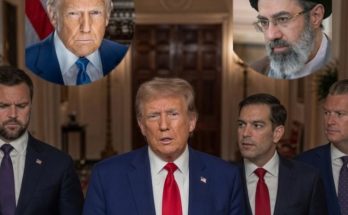
Importantly, the site is clearly satire. There has never been an official proposal, legal mechanism, or political movement to draft Barron Trump into the U.S. military, nor has the Trump family expressed support for anything resembling such a campaign. Despite that, the hashtag quickly spread across platforms such as X, where users amplified it as a way to criticize what they saw as hypocrisy in political leadership.The hashtag’s popularity is tied partly to the broader global context in which it appeared. In late February 2026, tensions between the United States, Israel, and Iran escalated dramatically after a military operation reportedly killed Iran’s Supreme Leader, Ali Khamenei. The strike triggered retaliation, including missile and drone attacks across the region, and raised fears of a wider conflict. Armed groups such as Hezbollah also became part of the growing regional instability.
Amid this volatile situation, public debate intensified about who ultimately bears the burden of war. For many observers, the hashtag resonated because it tapped into a longstanding concern: that political elites often remain insulated from the personal consequences of military decisions. Some social media users referenced historical controversies surrounding Donald Trump’s Vietnam-era draft deferment due to bone spurs, suggesting that the satire struck a nerve by recalling past debates about fairness in military service.In reality, the United States has not used a military draft since 1973, when it transitioned to an all-volunteer force under the Selective Service System. Instituting a draft today would require new legislation from Congress and the creation of legal structures that currently do not exist. There are also no active proposals to reinstate conscription.
The broader conversation sparked by #SendBarron reflects something deeper than a viral joke. Throughout American history, wars have frequently reignited debates about accountability, shared sacrifice, and the responsibility of those who authorize military action. When conflicts escalate and casualties rise, public scrutiny of leadership decisions often grows more intense.Satire has long served as a way to channel those concerns. From the writings of Jonathan Swift to modern internet culture, exaggeration and humor have been used to highlight perceived contradictions in political life. In the case of #SendBarron, the target of the satire is less the teenager himself and more the broader idea of privilege and leadership responsibility during wartime.Ultimately, the hashtag illustrates how online discourse blends humor, criticism, and genuine concern. While it began as parody, it quickly evolved into a symbol of public frustration about war, fairness, and the costs borne by ordinary families. In that sense, #SendBarron reflects a recurring pattern in democratic societies: when geopolitical crises intensify, citizens often turn to satire and viral commentary to express deeper anxieties about power, accountability, and the human consequences of conflict.