Federal authorities are intensifying their focus on fraud investigations in Minnesota following new allegations involving child care centers, while officials emphasize that many claims circulating online remain under review and not fully verified. According to individuals familiar with ongoing inquiries, federal law enforcement activity in the state has increased in recent weeks. The development comes amid renewed attention on fraud cases tied to government assistance programs, an issue that has already drawn national scrutiny due to several large-scale prosecutions in recent years.
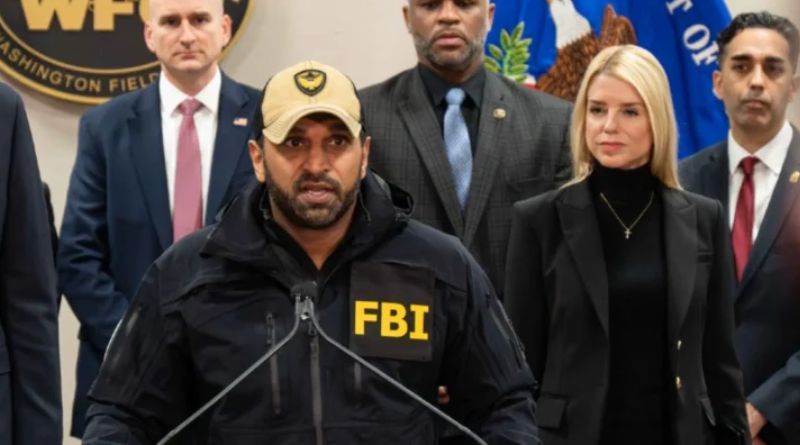
Officials including Department of Homeland Security Secretary Kristi Noem and FBI Director Kash Patel have indicated that federal agencies are continuing to prioritize complex fraud investigations. Public statements from federal leaders describe efforts to identify and dismantle schemes that may exploit taxpayer-funded programs, though specific details about newly alleged cases remain limited.
Much of the recent attention stems from claims circulated by independent journalist Nick Shirley, who released a video alleging that certain child care centers in Minneapolis were involved in fraud potentially totaling tens of millions of dollars. However, these allegations have not yet been substantiated through formal charges or detailed court filings, and authorities have not publicly confirmed the scope described in the video.
State officials say they are aware of the claims and are taking them seriously. Tikki Brown, commissioner of Minnesota’s Department of Children, Youth, and Families, stated that regulators are reviewing the situation and will act if evidence supports enforcement action. At the same time, officials caution that investigations require time and must rely on verified documentation rather than unconfirmed reports.
Minnesota has already been the focus of one of the largest pandemic-related fraud cases in the country. The Feeding Our Future investigation, which began several years ago, alleged that a network of individuals misused a federally funded child nutrition program intended to provide meals to children during COVID-19 disruptions. Federal prosecutors have charged dozens of defendants in that case, and many have been convicted through guilty pleas or trial verdicts.
The scale of that earlier case has contributed to heightened scrutiny of how public funds are distributed and monitored. Prosecutors have suggested that additional fraud schemes may exist across multiple programs, though estimates of total losses vary and remain subject to ongoing investigation.
Some public discussion has focused on the backgrounds of individuals charged in past cases, noting that a number of defendants are Somali American. However, officials and community leaders stress that criminal cases involve specific individuals and should not be generalized to broader communities. The Minneapolis–Saint Paul area is home to the largest Somali population in the United States, most of whom have no connection to any alleged wrongdoing.
Political figures have also weighed in, linking fraud investigations to broader policy debates around immigration and government oversight. Such statements reflect policy perspectives but do not necessarily establish direct connections between immigration status and fraud activity.
Recent comments from federal prosecutors indicate that additional charges may be filed as investigations continue. Authorities have also pointed to other alleged fraud cases, including one involving autism services billing, as examples of how schemes can operate across different assistance programs.
Despite heightened rhetoric and viral claims online, officials emphasize that all allegations must be carefully examined through established legal processes. Investigations typically involve extensive financial analysis, documentation review, and coordination between federal and state agencies before any charges are brought.
For now, the situation remains fluid. While Minnesota continues to face scrutiny over past fraud cases, the latest allegations involving child care centers have yet to be fully confirmed. Authorities say their focus remains on gathering evidence, pursuing accountability where warranted, and ensuring that public funds are used as intended.