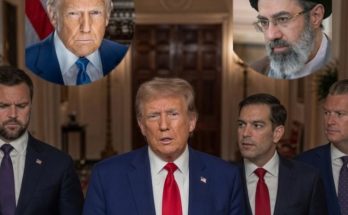
The United Kingdom responded rapidly and forcefully to remarks made by Vice President JD Vance, prompting a wave of criticism from veterans, senior military figures, and political leaders. Many in Britain viewed the comments as dismissive of the country’s contributions, particularly the sacrifices made during joint operations in Iraq and Afghanistan, where 636 British service members lost their lives.
Veterans were among the most vocal in their प्रतिक्रिया. Johnny Mercer and Andy McNab, both well-known for their military service and public roles, strongly criticized the remarks, arguing that they failed to reflect the reality of Britain’s involvement alongside U.S. forces. For many former service members, the issue was not simply political, but deeply personal, tied to the memory of those who served and died in coalition missions.
Senior retired officers added their voices to the growing backlash. Lord West and General Sir Patrick Sanders emphasized the strength and history of the U.K.–U.S. military partnership. They highlighted decades of cooperation, shared operations, and mutual sacrifice, warning that comments perceived as dismissive could strain the sense of unity that has long defined the alliance.
Political figures across party lines echoed these concerns. Shadow Defense Secretary James Cartlidge described the remarks as “deeply disrespectful,” stressing that Britain has consistently played a major role in supporting U.S.-led operations. Former Foreign Secretary James Cleverly and several Members of Parliament also spoke out, urging Vance to acknowledge the shared history and losses that bind the two nations.
Prime Minister Keir Starmer reaffirmed the country’s pride in its armed forces and their contributions. He underscored the importance of maintaining mutual respect between close allies, especially when discussing matters related to military service and sacrifice.
In response to the mounting criticism, Vance sought to clarify his original statement. He explained that his comments were not aimed specifically at the United Kingdom or France, but rather at countries without recent combat experience. Despite this clarification, the controversy has fueled a broader discussion about the need for careful and respectful language in international relations, particularly when addressing the contributions of long-standing allies.
Ultimately, the episode highlights the sensitivity surrounding military service and the importance of recognizing shared sacrifice.