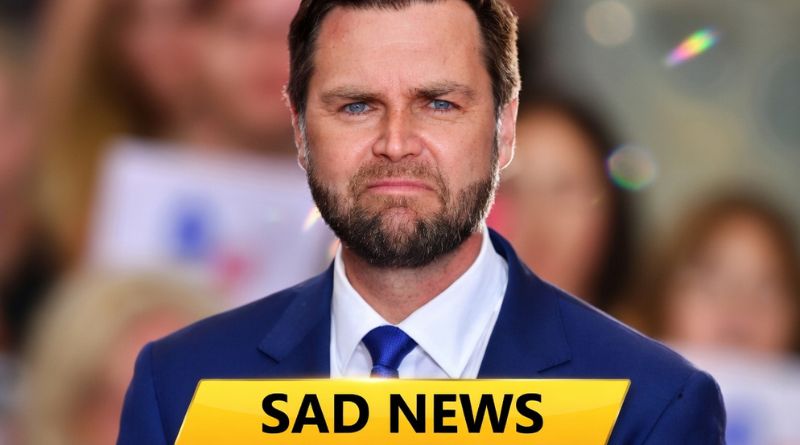
Interest in a potential 2028 presidential run by JD Vance is building quickly within Republican circles. Recent polling data and commentary from political analysts suggest that Vance is emerging as a strong early contender, prompting some observers to caution Democrats against underestimating his appeal. Political analyst Chris Cillizza recently warned that overlooking Vance could be a strategic mistake. Early surveys indicate that he holds a commanding lead among potential Republican candidates. His growing popularity was also evident at AmericaFest, where grassroots conservatives showed overwhelming support.
A recent Emerson College poll placed Vance’s favorability at 46%, putting him ahead of several well-known political figures from both parties. Meanwhile, Harry Enten highlighted that Vance holds roughly 40% support in early GOP nomination polling—well ahead of any potential rivals.
Enten also pointed to historical trends, noting that since 1980, early frontrunners have gone on to win their party’s nomination about 63% of the time. While this statistic adds weight to Vance’s current position, it is important to recognize that elections remain years away, and early leads do not guarantee long-term success.
At AmericaFest in Phoenix, organized by Turning Point USA, Vance dominated a straw poll with an impressive 84.2% of the vote. Other figures, including Marco Rubio and Ron DeSantis, trailed far behind. The result reflected strong enthusiasm among conservative activists, though such polls typically represent a narrow segment of the broader electorate.
Vance closed the event as the final speaker, receiving an energetic response from attendees. The enthusiasm highlighted his connection with grassroots conservatives, a group that often plays a decisive role in primary elections.
Despite the growing speculation, Vance has publicly downplayed any immediate presidential ambitions. In an appearance on Fox News, he emphasized the importance of focusing on the 2026 midterm elections before considering future plans. He also indicated that any decision about 2028 would involve discussions with Donald Trump, whose influence within the Republican Party remains significant.
Several factors will ultimately shape Vance’s prospects. His status as vice president provides national visibility and access to political networks, but the political landscape can shift rapidly. Potential challengers, changing voter priorities, and the outcome of upcoming elections will all play a role.
For Democrats, the early numbers serve as a reminder to closely monitor Vance’s rise. Figures such as Gavin Newsom and Kamala Harris are often mentioned as possible opponents, setting the stage for a potentially competitive future race.
While it is still early, Vance’s strong polling, grassroots backing, and growing national profile suggest he is a figure to watch. The coming years—especially the 2026 midterms—will provide a clearer picture of whether his early momentum can translate into a successful presidential campaign.