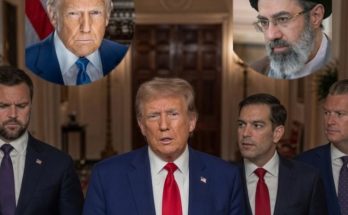
The first explosions shattered more than buildings—they shattered the fragile belief that the conflict could be contained. Jets from the United States and Israel reportedly struck multiple targets in Iran, and the world watched a dangerous new chapter unfold. In Tehran, military commanders rushed to evaluate the strikes. Regional allies responded cautiously, balancing concern with caution, while global markets reacted immediately to the instability. Across governments and households, the pressing question was the same: would this escalation spiral into a wider war?
The operation, reportedly named Operation Epic Fury, was described by U.S. and Israeli officials as a major effort to undermine Iran’s military and nuclear capabilities. Authorities emphasized that the targets were chosen for their potential to pose imminent threats. Officials said the strikes were designed to prevent future attacks and disable critical military systems before they could be used.
Images and videos circulating online showed extensive damage: destroyed compounds, shattered facilities, and ruined air-defense installations. Iranian state media acknowledged that some missiles had been intercepted but warned that retaliation would follow, framing the strikes as an affront that demanded a forceful response.
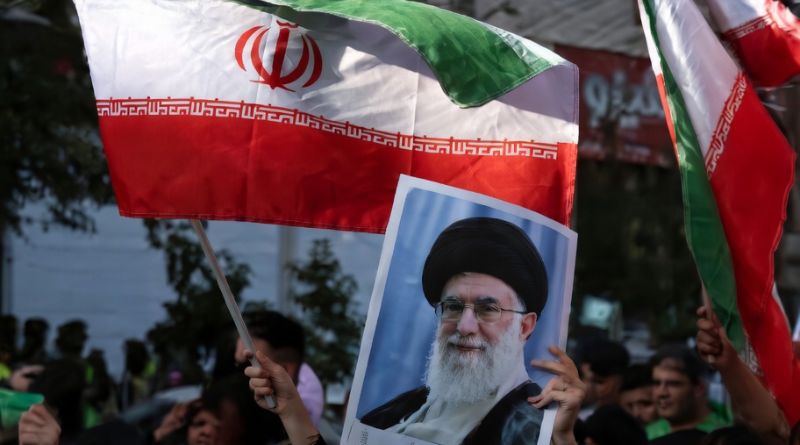
Iranian leaders reacted with strong rhetoric, promising what they described as “devastating revenge.” Their statements amplified fears that the confrontation might not end with a single round of strikes, and could escalate into a broader conflict affecting the region.
Behind the scenes, diplomats from Europe and other regions urged restraint, stressing that continued escalation could destabilize the entire Middle East. Several governments called for dialogue and de-escalation, warning that further action could have catastrophic consequences for civilian populations, international trade, and regional security.
Meanwhile, ordinary families in cities such as Tehran and Tel Aviv faced an anxious night. Many checked their phones repeatedly, listened for sirens, and wondered whether the explosions were a contained military action or the opening salvo of a far larger conflict. The uncertainty weighed heavily, a reminder that geopolitical decisions resonate most acutely in the lives of those who live closest to the front lines.
As the night stretched on, the world remained on edge. The strikes had shattered not just structures, but the sense of stability that had allowed fragile hopes for peace to endure. With tensions rising, every message from leaders, every movement of military forces, and every report from the ground had the potential to reshape the balance of the region—and perhaps, the wider world.