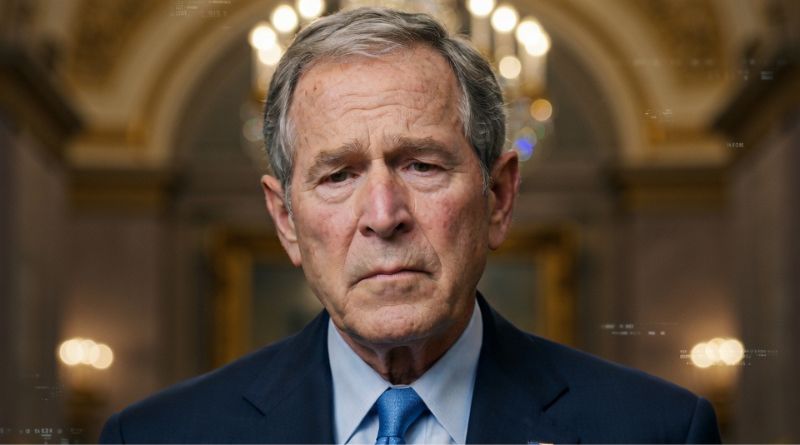
George W. Bush framed his concern not as a partisan critique, but as a warning about institutional erosion. In his view, the growing habit of rushing complex legislation through under tight deadlines transforms deliberation into spectacle. Lawmakers perform positions for the moment rather than carefully stress-testing ideas, and as a result, sweeping provisions can pass with minimal scrutiny or understanding.
The consequences of that approach often surface much later, far from the headlines that accompanied the bill’s passage. Ordinary people encounter them in rising healthcare costs, shifting education policies, or dense regulatory changes buried in fine print. By then, the connection between cause and effect is difficult to trace, and accountability becomes diffuse.
At the core of Bush’s argument is a deeper issue: public trust. Each time legislation is pushed through in haste, it reinforces a perception that the system is opaque and unresponsive. Over time, that perception hardens into skepticism about whether government actions are legitimate or carefully considered.
His broader point is both simple and cautionary. Durable laws depend on transparency, open debate, and time for revision. They require compromise that is visible and understood, not hurried agreements forged under pressure. While crisis-driven governance may yield immediate political victories, it carries a long-term cost—gradually weakening confidence in democratic institutions and leaving future leaders and citizens to repair the damage.