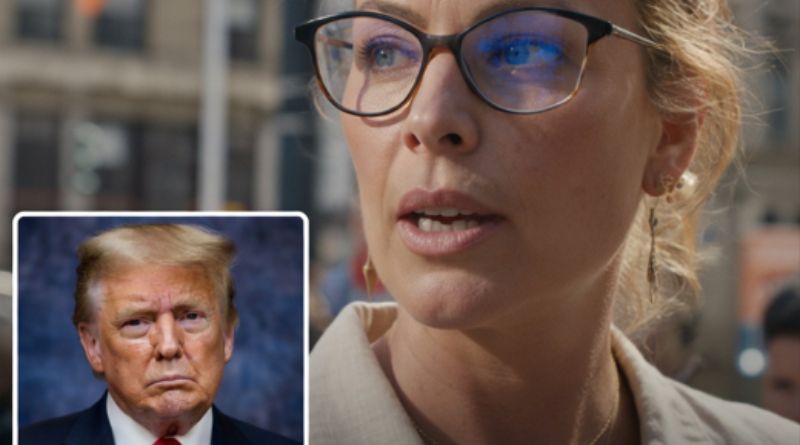
A new and highly charged allegation has surfaced in connection with the enduring fallout from the crimes of disgraced financier Jeffrey Epstein. A woman identifying herself as a victim has publicly claimed that she possesses “secret recordings” that allegedly depict former U.S. President Donald Trump engaging in compromising behavior. The claim, shared through media interviews and legal representatives, has quickly drawn significant public attention. However, no recordings have been released, independently verified, or presented in any legal proceeding. As it stands, the allegation remains unproven, and no formal charges have been filed in relation to it.
This development highlights how the Epstein case continues to cast a long shadow years after his death. Epstein’s 2019 arrest on federal sex trafficking charges exposed a vast network of powerful connections across politics, business, and entertainment. His death in custody later that year left many questions unanswered, allowing speculation and scrutiny to persist. According to the woman making the claim, the alleged recordings were created during encounters that took place years ago and may include audio or video evidence. Her legal team has not provided specific details about the content or circumstances surrounding the recordings, nor have they indicated when or if the material will be made public.
Donald Trump has previously acknowledged knowing Epstein socially but has consistently denied any involvement in criminal wrongdoing. He has stated that he distanced himself from Epstein well before the financier’s arrest. At this time, there has been no detailed public response addressing this specific claim. Legal experts emphasize that any such recordings would require thorough forensic analysis to confirm authenticity and determine admissibility in court. Broader legal issues, including consent, jurisdiction, and statutes of limitations, could also play a role. Public reaction has been sharply divided. Supporters dismiss the allegation as politically motivated, while critics argue it warrants careful investigation. For now, without verified evidence, the claim remains an allegation, underscoring the importance of due process and responsible reporting.