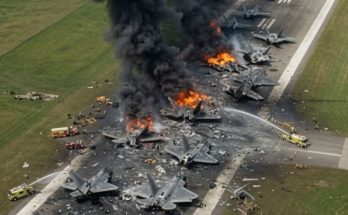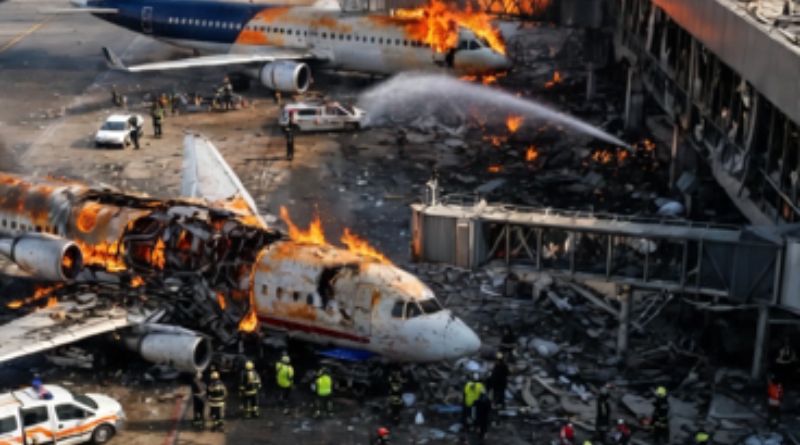
Iran launched a series of ballistic missiles at Tel Aviv, reportedly equipped with cluster warheads, marking a significant escalation in the ongoing Middle East conflict. Tehran described the strikes as retaliation for the assassination of a senior Iranian security official by Israeli forces. The missiles lit up the night sky over central Israel, causing property damage and tragically killing at least two civilians. Cluster munitions, which scatter multiple explosive submunitions over a wide area, carry serious humanitarian risks, as unexploded fragments can remain deadly long after impact.
The attack is part of a broader wave of hostilities that have intensified since early 2026. Iran has targeted Israeli cities, U.S. bases, and allied facilities across the Gulf, including in Kuwait, Bahrain, the UAE, and Saudi Arabia. These strikes came in response to a series of high-profile assassinations of Iranian officials, which Tehran has vowed to avenge. Meanwhile, Israel and the United States have launched airstrikes inside Iran, targeting military and nuclear infrastructure. While both countries share broad goals, their strategic objectives in the region are not fully aligned, complicating the conflict.
Israel’s missile defense systems, including Iron Dome and Arrow-3, have intercepted many of the incoming missiles, but the sheer volume and the use of cluster warheads have strained defenses. Civilians on both sides face growing danger, with reports of injuries, fatalities, and destruction mounting. The conflict has global repercussions. Energy markets have surged following attacks on Gulf infrastructure, and international concern over further escalation is rising. Diplomatic efforts have so far failed to halt hostilities, leaving the region in a tense and unpredictable state, with both sides signaling continued military action.