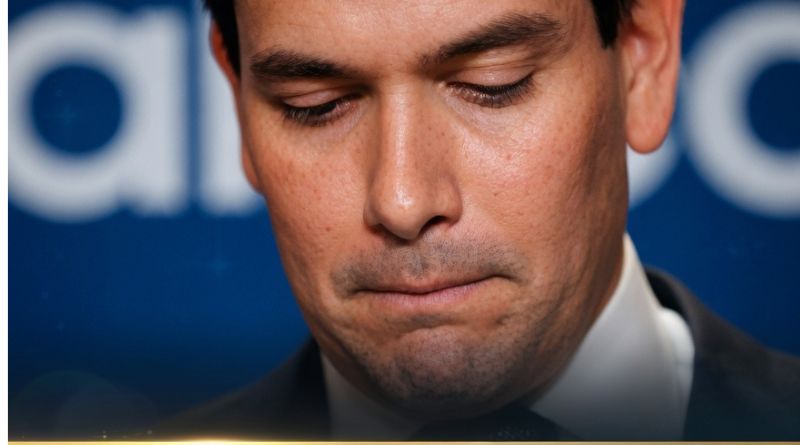
Marco Rubio’s recent elevation places him at the helm of a rarely scrutinized Washington office, signifying a subtle but profound shift in how power is wielded within the federal government. This isn’t about public laws or agency commands, but control over a crucial regulatory gatekeeping mechanism. The office acts as a “choke point,” possessing the authority to permit or prevent regulatory proposals from ever reaching the public eye, often delaying or quietly burying initiatives without public debate or explanation. This discreet power shapes policy outcomes by determining what *doesn’t* happen, rather than what does.
For decades, this powerful corner of government operated under a cloak of bureaucratic obscurity, its technical language and opaque processes shielding its significant impact. Decisions made here often resulted in an “absence” of action, leaving little evidence of suppressed rules. However, growing public frustration over government paralysis and institutional distrust has brought renewed scrutiny to these hidden levers of power. Supporters argue this regulatory gatekeeping is essential, providing a necessary check on bureaucratic excess and ensuring economic efficiency. Critics, conversely, contend it allows a small group to override the intent of Congress and regulatory expertise without accountability, exercising power through indefinite delays rather than transparent decisions.
Rubio’s stewardship of this office is particularly significant, given his understanding of both populist rhetoric and institutional power. His leadership will be judged not by public announcements, but by operational choices: whether reviews are time-bound and documented, or selectively applied and indefinitely stretched. A commitment to transparency—publishing clear criteria, timelines, and rationales—could restore trust, demonstrating that oversight can coexist with accountability. Without such reforms, the office risks reinforcing public cynicism, where decisions dissolve into internal reviews, rules fail to appear, and protections quietly weaken, leading to the belief that government operates beyond reach and democratic principles are eroded. This highlights that the most decisive governmental power often lies in what remains unseen.