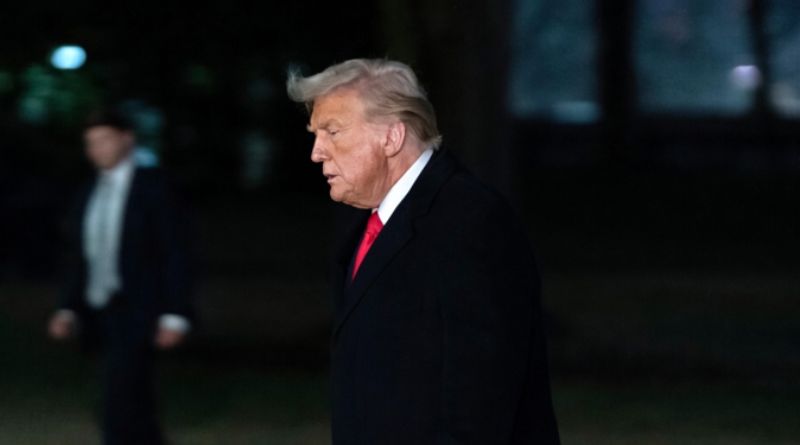
For weeks, whispers in Washington warned that Donald Trump’s next approval ratings could be historically low. Now the numbers are out, and they confirm a stark reality: nine months into his second term, Trump faces a presidency under pressure. He began this term as he ended his first — aggressively. Executive orders, Cabinet changes, trade reversals, immigration crackdowns, and constant clashes with the media and legal establishment have defined the early months. Supporters see “America First” in action; critics see chaos on repeat. When asked if he would “tone it down,” Trump replied, “You don’t fix a broken country by whispering. You do it by shouting truth louder than the lies.”
But the polls tell a different story. YouGov’s latest survey shows Trump’s approval at 41%, with 52% disapproving. Even Republican loyalty is slipping: 82% still support him, but that’s down from first-term highs. Among independents, approval is just 32%. State-level data reveals deeper cracks. Ohio (57% → 48%), Iowa (55% → 46%), and Florida (below 50%) show weakening support, particularly among suburban voters who helped him win in 2024. Political analyst Peter Hartwell notes that voters once willing to tolerate confrontation for economic gains are now reconsidering. Trump dismisses the numbers as “garbage from bad pollsters,” claiming media-driven narratives undercut his message. On Truth Social, he insisted, “The fake news loves their fake polls, but the people know the truth — the country is winning again.” Despite low national ratings, his base remains devoted: Rasmussen polls show 89% of MAGA voters would “definitely” vote for him again.
Demographically, his strongest support is among older, white, non-college-educated men. But younger voters, women, and minorities show deep disapproval: 72% of under-30s, 81% of Black voters, and 63% of Latinos disapprove. Even issues that once bolstered his appeal, like immigration and trade, are seeing declining support. Approval ratings matter: they influence lawmakers, elections, and public perception. Yet Trump thrives on defying expectations. For many supporters, his rallies and bold messaging signal authenticity, not weakness. The numbers are a wake-up call, but Trump’s combination of defiance, loyalty from his base, and relentless campaigning suggests he sees them as a challenge to overcome, not a signal to retreat.