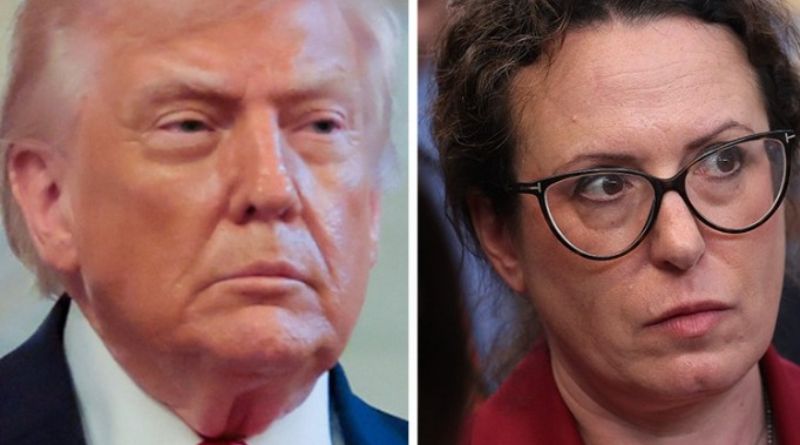
On March 6, 2026, former President Donald Trump publicly criticized Maggie Haberman, a White House correspondent for The New York Times, in a post on Truth Social. Trump used derogatory language, calling her “Maggot Hagerman” and a “SLEAZEBAG writer,” and suggested she and some colleagues could be included in his ongoing Florida-based lawsuit against the newspaper. The specific story that triggered his remarks remains unclear, though it may relate to a March 5 report on the firing of Homeland Security Secretary Kristi Noem, an action connected to Trump’s political strategy.
This criticism is consistent with Trump’s long-standing pattern of targeting journalists he perceives as unfavorable, especially women. In December 2025, he publicly denounced CNN correspondent Kaitlan Collins, calling her “stupid and nasty,” and in February 2026, he interrupted Natalie Allison aboard Air Force One, dismissing her questions on deportation policy. Analysts note that Trump often mixes personal invective with political argumentation and prefers social media to communicate directly with supporters. Haberman, a Pulitzer Prize-winning journalist, has a long career reporting on multiple administrations, including in-depth investigative work on Trump’s advisors, foreign connections, and internal White House dynamics. She authored Confidence Man: The Making of Donald Trump and the Breaking of America (2022) and is reportedly working on a new book with a New York Times colleague, which may include details about Trump’s post-presidency activities. Her reporting is widely cited, often praised for investigative depth, and has contributed to public understanding of political controversies.
Media observers note that public attacks on journalists can influence audience perception, affect political narratives, and sometimes intimidate reporters. Female correspondents are particularly vulnerable to personal attacks, compounding the challenges of high-pressure reporting. Despite repeated criticisms and threats, Haberman continues her investigative work, reflecting the broader role of journalism in promoting accountability, transparency, and informed public debate. The ongoing tension between Trump and journalists like Haberman highlights the adversarial relationship between some political figures and the press. It also illustrates how social media has become a central tool in shaping public discourse, challenging reporters to navigate criticism while continuing to provide context and insight on political developments.