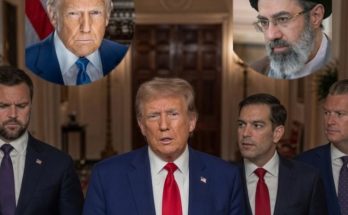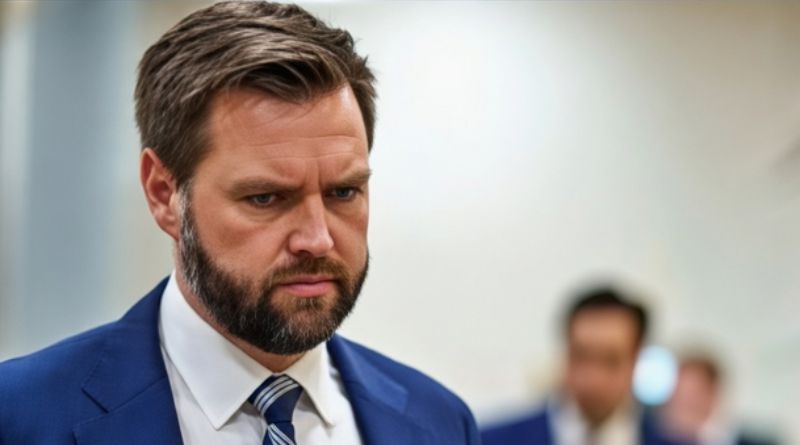
The United Kingdom has reacted with immediate and sharp condemnation to recent remarks by Vice President Vance, widely perceived as deeply disrespectful to allied forces. This swiftly ignited widespread outrage among British veterans, military figures, and political leaders, who highlighted the profound sacrifices made by the UK, including the tragic loss of 636 British soldiers in Iraq and Afghanistan. These figures underscored Britain’s substantial military contributions and emphasized the deep-rooted bonds and shared history with the United States.
Prominent voices from the British military community, such as veteran Johnny Mercer and former SAS operative Andy McNab, publicly criticized Vance’s comments for demonstrating a palpable lack of respect. Echoing these sentiments, former military leaders like Lord West and General Sir Patrick Sanders similarly expressed strong disapproval. Politically, Shadow Defense Secretary James Cartlidge unequivocally labeled the remarks “deeply disrespectful,” while Former Foreign Secretary James Cleverly and other MPs called for Vance to acknowledge joint sacrifices. Prime Minister Keir Starmer reinforced the nation’s pride in its military and the crucial importance of mutual respect among allies.
In an attempt to quell escalating criticism, Vice President Vance subsequently clarified his initial statements, asserting his comments were not specifically aimed at the UK or France. Instead, he claimed they targeted nations generally lacking recent battlefield experience. Despite this clarification, the incident has unequivocally catalyzed a broader discussion about the paramount necessity of diplomatic sensitivity, especially when addressing the invaluable contributions and profound sacrifices of longstanding international allies.