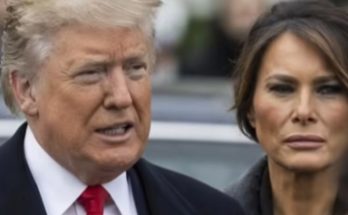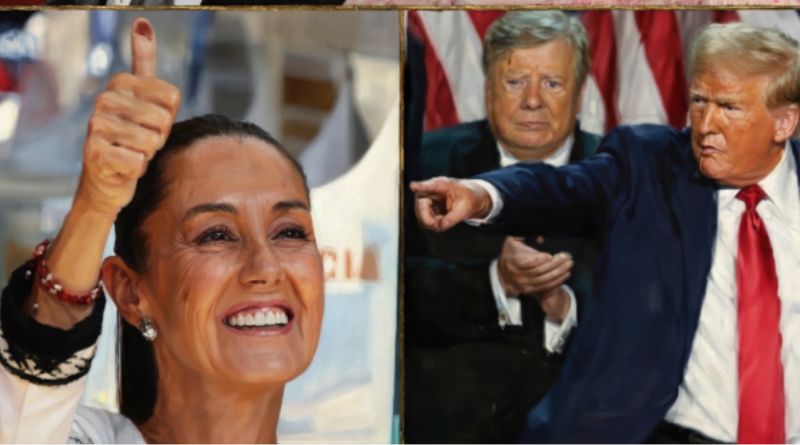
The designation of Mexican cartels as terrorist organizations marks a significant shift in relations between the United States and Mexico. Under Donald Trump, the U.S. government targeted groups such as the Jalisco New Generation Cartel and the Sinaloa Cartel. Officials say the goal is to combat fentanyl trafficking and strengthen border security, but the move has triggered strong reactions from Mexico.
President Claudia Sheinbaum has openly criticized the decision, arguing that it challenges Mexico’s sovereignty. She warned that labeling cartels as terrorist groups could open the door to unilateral U.S. actions, including potential operations inside Mexican territory. As a result, Mexico has emphasized the importance of cooperation based on mutual respect rather than external pressure. The policy also raises questions about enforcement. While some figures, including Elon Musk, have suggested aggressive tactics such as drone strikes, experts believe large-scale military intervention is unlikely. Instead, the U.S. has increased surveillance efforts along the border, focusing on monitoring cartel activity and disrupting trafficking networks.
Legally, the designation expands U.S. authority to freeze assets and prosecute those who support cartel operations. At the same time, Mexico is pursuing legal action against American gun manufacturers, arguing that weapons flowing south contribute to cartel violence. This reflects differing strategies in addressing the crisis. Domestic pressures are shaping decisions on both sides. The U.S. faces growing concern over fentanyl deaths, while Mexico must respond to public resistance against foreign involvement. Meanwhile, economic ties between the two nations remain strong, making escalation risky and reinforcing the need for continued dialogue and cooperation.