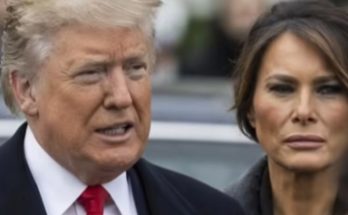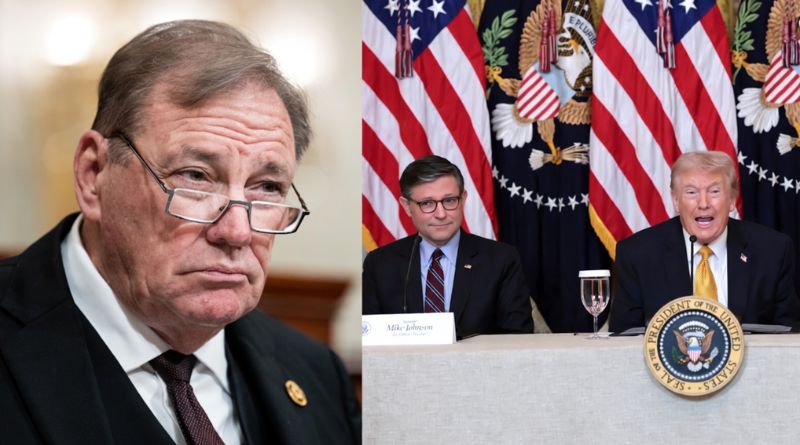
During a speech at the Kennedy Center on Monday, Donald Trump shocked the audience by revealing a serious medical situation involving a sitting Republican lawmaker—information that had not been made public. Trump was discussing the GOP’s slim House majority and the challenges posed by lawmakers facing illness or other difficulties.
He recounted, “We had one man who was very ill, it looked like he wasn’t going to make it. I won’t mention his name… Should I? Do other people know? You want to mention it?” He then turned to Mike Johnson, who reluctantly disclosed that Florida Republican Neal Dunn had been dealing with severe health issues. “He had a pretty grim diagnosis,” Johnson said, commending Dunn for continuing his work despite the challenges. Trump pressed for specifics. “What was the diagnosis?” he asked. Johnson replied carefully, “I think it was a terminal diagnosis.” Trump then stunned the audience by blurting, “He would be dead by June!” Gasps rippled through the room, and a startled Johnson quickly tried to regain control. “Okay, that wasn’t public,” he said.
The remark turned a private medical matter into a public spectacle, raising questions about Trump’s tendency to share sensitive information impulsively. Dunn, who had already announced plans to retire, has said he intends to complete his term despite health concerns, quashing earlier speculation that he might step down early and further impact the GOP’s fragile House majority. While such disclosures are not legally prohibited under HIPAA—since it governs healthcare providers, not public figures—they raise serious ethical and privacy concerns. Observers were left shocked by the casual manner in which such sensitive information was made public, underscoring the tension between personal privacy and public curiosity in the political arena.