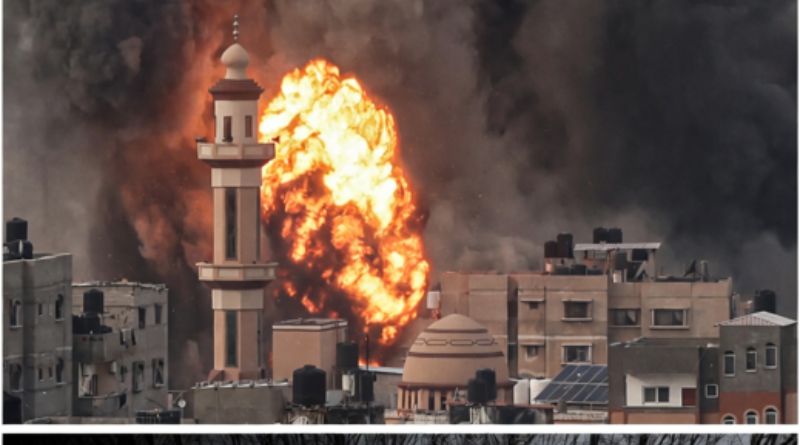
In the heart of Eastern Europe, mounting pressure on Russia’s military campaign is exposing deep strains within its armed forces. As fighting intensifies in eastern Ukraine, reports from the battlefield suggest that morale among some Russian units has sharply declined, raising questions about the long-term sustainability of Moscow’s war effort. The contested city of Chasiv Yar has become a focal point of the latest fighting. Once considered a key defensive position in eastern Ukraine, the city now stands as a symbol of the brutal and exhausting nature of the conflict. Heavy shelling and relentless assaults have turned the surrounding area into one of the most volatile fronts in the war.
Accounts emerging from soldiers and observers describe difficult conditions, including shortages of supplies, long rotations without relief, and mounting casualties. Such reports, though difficult to independently verify in wartime conditions, suggest that some Russian troops are struggling to maintain cohesion under intense pressure from Ukrainian forces. At the center of the crisis is Russian President Vladimir Putin, whose leadership has defined the country’s military strategy since the launch of the full-scale invasion of Ukraine in 2022. The Kremlin has continued to project confidence, portraying the campaign as progressing according to plan. However, battlefield realities appear far more complex. Russia’s defense establishment, led by Sergei Shoigu, faces growing scrutiny as the gap between official statements and frontline reports widens. Military analysts say that prolonged fighting, logistical challenges, and Ukraine’s increasingly organized defenses are placing enormous strain on Russian operations.
Meanwhile, Ukrainian President Volodymyr Zelenskyy has urged his forces to capitalize on the situation, emphasizing resilience and unity as Ukrainian troops continue to defend strategic positions across the eastern front. Beyond the battlefield, the implications are significant. Governments within NATO and across the international community are closely monitoring developments, aware that shifts in military momentum could reshape the broader geopolitical balance. As the war drags on, uncertainty dominates the outlook. Whether the current strain within Russia’s military represents a temporary setback or a deeper structural challenge remains unclear. What is certain, however, is that the struggle for control in eastern Ukraine—and the future stability of the region—continues to hang in the balance.