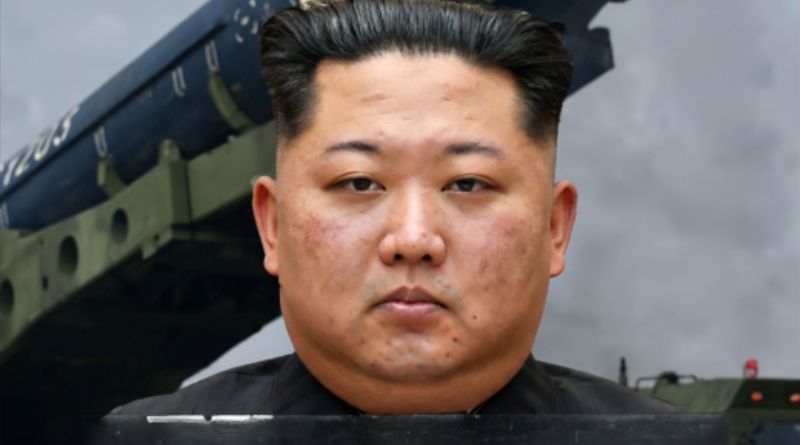
At first glance, the headline creates the impression of an immediate global crisis involving North Korea and Donald Trump. Its wording is crafted to provoke alarm, stopping abruptly after the phrase “threatens directly…” without revealing what the alleged threat actually is. That missing detail is the central hook. As the article unfolds, the dramatic promise of the headline never materializes. There is no verified military strike, no official declaration of war, and no confirmed emergency situation. Instead, the narrative drifts into exaggerated and often absurd territory, mentioning kidneys, gastronomy, and a supposed “binational apocalypse.” The geopolitical framing serves mainly as bait to draw readers in.
This approach reflects a familiar form of high-impact clickbait. First, it places two globally recognizable political figures or nations in the same headline to instantly capture attention. Second, it adds urgent language such as “BREAKING,” “IMMINENT,” or “APOCALYPSE” to heighten emotional tension. Third, the headline cuts off before presenting the key fact, forcing readers to imagine the worst possible scenario. When a sentence stops at a word like “threatens,” many people instinctively think of nuclear escalation, missile launches, or a looming war, even though none of those claims may appear in the actual article.
In short, the story offers no confirmed new military action and no verified declaration of conflict. What it provides instead is emotional amplification designed to generate clicks and shares. Before reacting to alarming headlines about major political figures or countries, it is wise to check reputable international news sources for confirmation. Sensational language spreads quickly, but verified facts remain far more important.