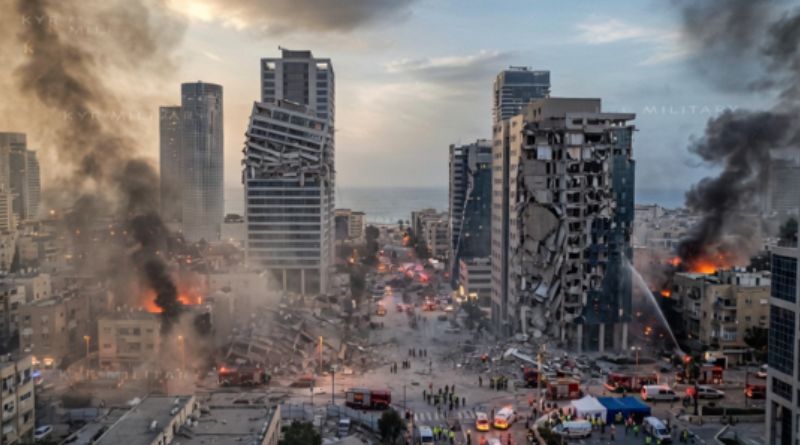
In the heart of the Middle East, tensions between Iran and Israel are intensifying, raising fears of a broader regional crisis. Reports of long-range missile attacks targeting Israeli territory have sent shockwaves across the region, highlighting the fragile and volatile security environment. The sound of explosions and the piercing wail of emergency sirens have become a frightening reality for many civilians, illustrating the human cost of escalating hostilities.
This confrontation goes far beyond a simple territorial dispute. It reflects decades of political rivalry, security concerns, and deep historical tensions. Each new attack increases the risk of further escalation and draws the attention of military analysts and global policymakers who worry about the wider implications for international stability. Iran’s expanding missile capabilities have long been a source of concern for Israel and its allies. The apparent coordination and intensity of the attacks suggest a strategic effort to challenge Israel’s defensive systems and demonstrate regional power. In response, Israel relies heavily on its advanced air defense network, including the Iron Dome, designed to intercept incoming rockets and missiles before they reach populated areas. As waves of projectiles approach, these systems face intense pressure, highlighting the constant race between offensive and defensive military technologies.
For Israeli citizens, the psychological impact of living under the threat of missile attacks is profound. Families must remain prepared to seek shelter at a moment’s notice, and the uncertainty surrounding each alert adds to the emotional strain. Over time, the stress of repeated warnings and potential danger can deeply affect communities and everyday life.Beyond Israel’s borders, the conflict carries serious global implications. The Middle East remains a critical hub for international trade and energy supplies. Escalation could disrupt major shipping routes such as the Strait of Hormuz, a vital passage for global oil shipments. As world leaders call for restraint and diplomacy, the unfolding situation serves as a reminder that regional conflicts can quickly influence global politics, economic stability, and international security.