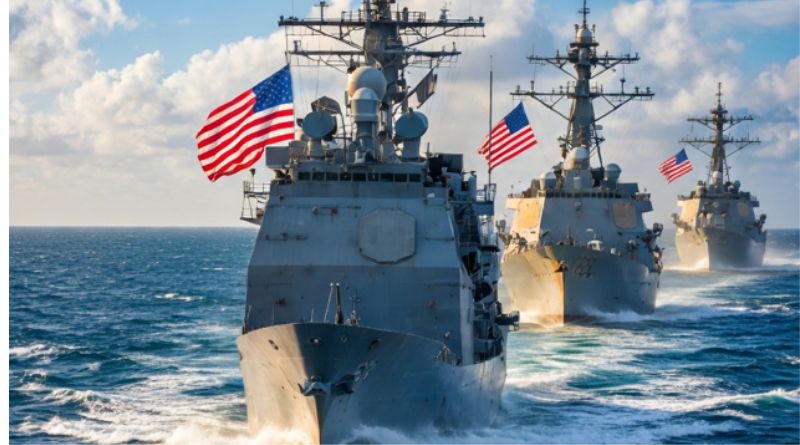
In late February 2026, tensions in the Middle East escalated dramatically when the United States and Israel launched coordinated military strikes against Iran. What began as targeted air and missile attacks quickly evolved into a broader conflict involving multiple countries, retaliatory strikes, and growing global concern. The unfolding war has already affected regional stability, international diplomacy, and global markets.
The roots of the conflict stretch back decades. Long-standing hostility between Iran, Israel, and the United States has been fueled by disputes over regional influence, Iran’s missile and nuclear ambitions, and competing alliances throughout the Middle East. In recent years, tensions intensified through proxy confrontations, economic sanctions, and sporadic exchanges of drones and missiles. Attacks on commercial shipping in key waterways such as the Red Sea further heightened fears of a wider confrontation. The immediate trigger came on February 28, 2026, when U.S. and Israeli forces carried out large-scale strikes on Iranian military facilities. Targets reportedly included missile launch sites, drone bases, command centers, and air defense systems in major cities such as Tehran and Isfahan. The operation was intended to weaken Iran’s military capabilities and deter future attacks on regional allies.
Iran responded swiftly with ballistic missiles and drone strikes aimed at Israeli territory and U.S. military bases across the Gulf region. While many incoming threats were intercepted by air defense systems, some attacks caused casualties and damage to infrastructure. The conflict soon spread beyond direct exchanges, as Iranian-aligned militias in Iraq and Hezbollah forces in Lebanon became involved, increasing the risk of a broader regional war. The consequences have been felt far beyond the battlefield. Oil prices surged amid fears of disruptions to energy supplies, while international leaders called for restraint and renewed diplomatic efforts. Meanwhile, civilians across the region have faced growing humanitarian challenges as violence continues. As the conflict unfolds, the world watches closely, aware that its outcome could reshape the geopolitical landscape of the Middle East for years to come.