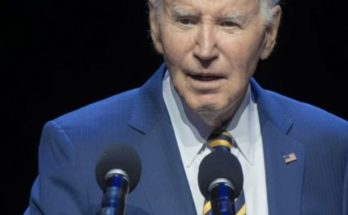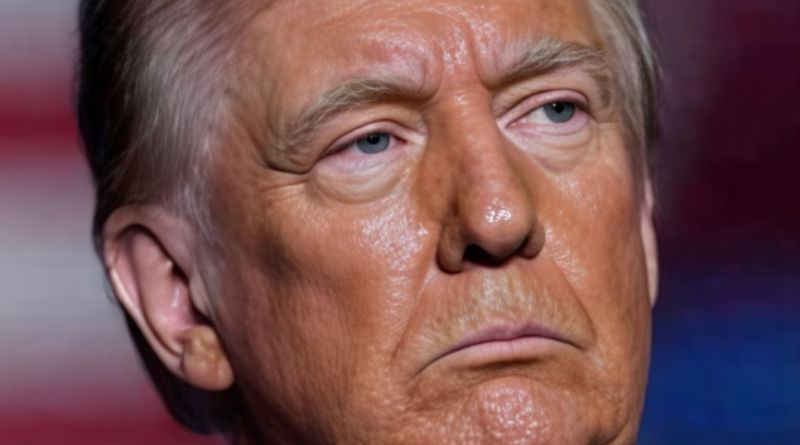
In a controversial move, President Donald Trump signed an executive order profoundly impacting international students in the United States. While the administration frames it as combating anti-Semitism on university campuses, critics, including civil rights advocates, argue its primary goal is to suppress political dissent. The policy allows for the deportation of non-citizen students participating in protests perceived as anti-Israel, signaling an escalation in using immigration law for ideological enforcement and raising alarms about civil liberties.
This directive creates a bifurcated system: American citizens retain First Amendment protections, but international students face an existential “chilling effect.” This involves risks like visa revocation, immediate deportation, and a potential lifelong bar from re-entering the country. This significantly undermines the U.S.‘s traditional role as a hub for open debate, effectively silencing international students from engaging in public discourse on contentious geopolitical issues.
The administration justifies the order by asserting that pro-Palestinian activism sometimes crosses into anti-Semitism, creating hostile environments. It codifies a definition of anti-Semitism encompassing specific criticisms of Israel, empowering federal agencies and universities. Supporters see it as protecting vulnerable minorities. However, critics contend this deliberately conflates anti-Zionism or criticism of Israeli policy with anti-Semitism, serving a political agenda by leveraging Immigration and Customs Enforcement (ICE) to suppress dissenting voices advocating for Palestinian human rights.
The implications for campuses are severe. Fearful of losing federal funding, administrators may adopt “zero-tolerance” policies, fostering surveillance where international students hesitate to engage in even peaceful activities. Legal experts highlight eroded due process, as “perceived anti-Israel” actions could be subjectively determined, making the order a potential “thought-policing” mechanism. Globally, human rights advocates worry the U.S. is tarnishing its free expression reputation, potentially inspiring authoritarian regimes.
For many international students, the “American dream” has become precarious. After significant investment, they now face a “loyalty test,” compelled to choose between social justice advocacy and the risk of deportation. This implies their contributions are welcome only if they remain silent on critical geopolitical issues. As legal challenges progress, the debate over balancing security and liberty will have profound consequences for thousands of students and for America’s identity as a free and open society.