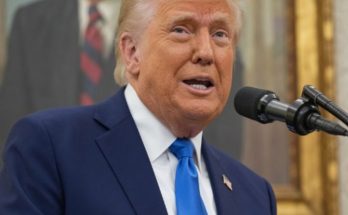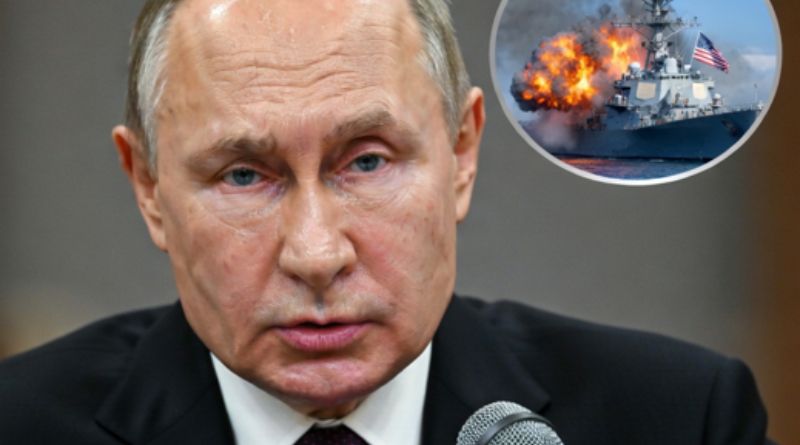
Former President Donald Trump’s renewed call for the United States to take control of Greenland in early 2026 stirred diplomatic tension across the Arctic region. Trump argued that ownership of the island was necessary to counter growing influence from Russia and China, prompting sharp responses from Moscow and concern among NATO allies. The proposal revived Trump’s controversial 2019 suggestion that the United States purchase Greenland from Denmark. This time, however, the rhetoric escalated. Trump warned that if the issue could not be resolved “the easy way,” other options might be considered. The comments triggered worries among European partners and briefly unsettled political and financial observers.
Greenland holds increasing strategic value. The island sits between North America and Europe, making it an important location for monitoring air and sea routes across the Arctic. As climate change melts sea ice, new shipping lanes and potential access to rare earth minerals have drawn global attention to the region. The United States already maintains a military presence through Pituffik Space Base, which supports missile detection and space surveillance. Security experts note that existing agreements with Denmark and Greenland already allow significant U.S. access without requiring sovereignty over the territory. Russia reacted cautiously but critically to Trump’s statements. Kremlin officials described the proposal as unusual and warned that additional militarization of Greenland could provoke countermeasures. Analysts say Moscow’s response was likely intended as a deterrent rather than a signal of direct conflict.
Several NATO allies also expressed unease. Danish officials reiterated that “Greenland is not for sale,” emphasizing the island’s autonomy and Denmark’s sovereignty. Later in January, Trump moderated his position during discussions at the World Economic Forum in Davos. He ruled out military action and tariffs after talks with NATO partners, saying the parties had agreed on a broader framework for Arctic security cooperation. While no territorial changes occurred, the episode highlighted the growing geopolitical importance of the Arctic as melting ice opens new strategic and economic opportunities.