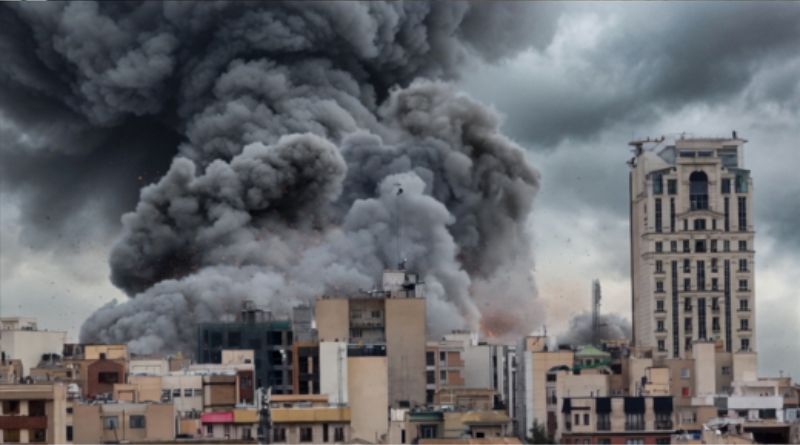
Rising global tensions connected to Iran are drawing attention far beyond the Middle East, with some security experts warning that geopolitical rivalries can sometimes have ripple effects in major international cities like New York City. In recent weeks, international headlines have focused on political pressure, diplomatic disputes, and military tensions involving Iran. While most of these developments remain concentrated in the Middle East, analysts say that global conflicts often influence political discussions and security planning in Western countries as well.
Some intelligence specialists have raised the possibility that foreign governments may attempt to expand influence operations abroad during periods of heightened tension. In theory, such efforts could involve covert networks or individuals operating quietly within other societies. These individuals are sometimes referred to as “sleeper agents,” a term historically associated with espionage strategies used during the Cold War. Unlike traditional spies working under diplomatic cover, sleeper operatives are believed to blend into everyday civilian life while secretly maintaining connections to foreign intelligence services. However, experts emphasize that confirmed cases are rare and difficult to detect, and most modern influence campaigns now rely heavily on cyber operations, information campaigns, and digital networks.
In the United States, federal authorities such as the Federal Bureau of Investigation and the Department of Homeland Security routinely monitor potential foreign influence or espionage threats. Officials say these efforts are part of standard national security practices rather than a response to any confirmed sleeper network. City leaders in New York have also emphasized the importance of maintaining public safety while protecting civil liberties in one of the world’s most diverse urban centers. For now, authorities stress that vigilance—not alarm—is the priority as global developments continue to evolve.