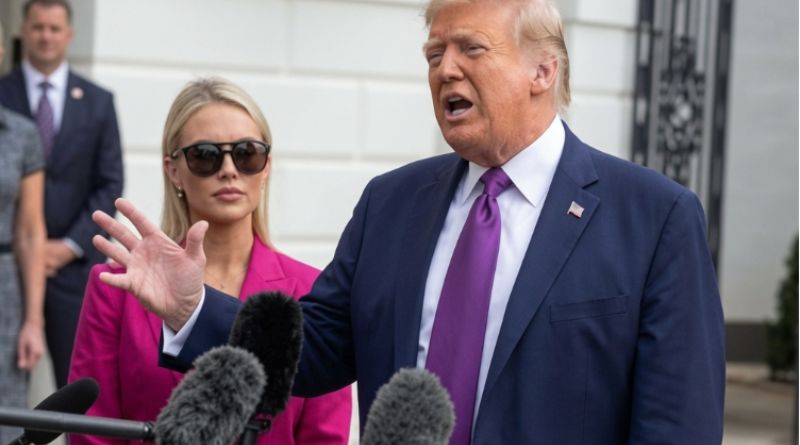
On that Thursday, the United States entered uncharted legal and political territory. For the first time in American history, a former president faced federal criminal charges connected to actions allegedly taken after leaving office. Federal prosecutors accused former President Donald Trump of conspiring to defraud the United States, obstructing the certification of the 2020 presidential election, and interfering with constitutional rights related to the voting process.
The indictment immediately sparked intense debate across the country. Supporters of the prosecution argued that the charges represented a significant test of the principle that no individual, regardless of status or political influence, is above the law. They viewed the case as an important effort to uphold accountability and protect democratic institutions.
Critics, however, contended that the prosecution was politically motivated and unfairly singled out a former president who remained one of the country’s most influential political figures. They argued that the case could deepen political divisions and raise concerns about the use of the justice system in highly charged political disputes.
As the legal proceedings move forward, the focus is expected to remain on the evidence, courtroom arguments, and witness testimony rather than political messaging. The outcome of the case—regardless of the verdict—could have far-reaching consequences for the United States.
Beyond the immediate legal questions, the proceedings are likely to shape future debates about the limits of presidential power, the accountability of public officials, and the strength of the nation’s democratic institutions. Historians and legal scholars will likely study the case for years to come as a defining moment in American political and legal history, one that may influence public trust in government and the relationship between politics and the rule of law for generations.