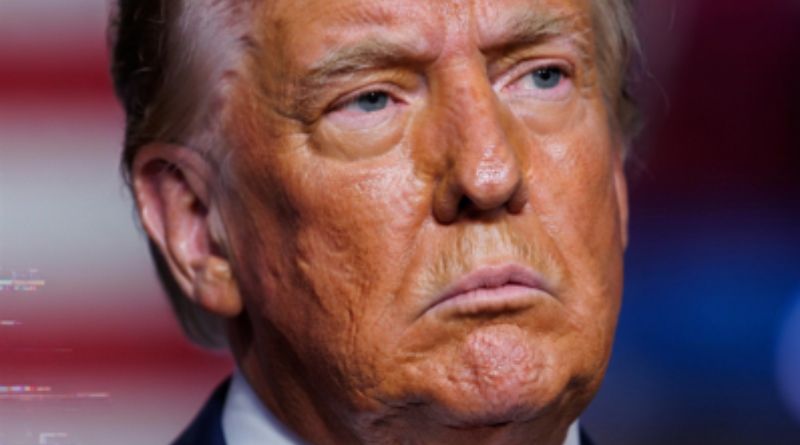
A sweeping executive order signed by Donald Trump has sparked fierce debate across American universities and beyond. The directive targets international students who participate in protests considered anti-Israel, potentially subjecting them to visa cancellation and deportation. While the administration says the move is necessary to combat rising anti-Semitism on campuses, critics argue it threatens free expression and could silence political dissent.
For decades, U.S. universities have promoted themselves as centers of open debate that welcome students from around the world. The new policy, however, creates a clear divide between citizens and non-citizens on campus. American students remain protected by the First Amendment to the United States Constitution, while international students could face immigration penalties for participating in demonstrations. Advocacy groups warn that this creates a “chilling effect,” discouraging foreign students from engaging in public discussions or protests. The administration’s justification centers on protecting Jewish students from harassment and hostility linked to some pro-Palestinian demonstrations. By adopting a broader definition of anti-Semitism that includes certain criticisms of Israel, the order gives federal agencies and universities expanded authority to respond to campus activism. Supporters say the policy ensures that institutions receiving federal funds maintain safe environments for all students.
Opponents, however, argue the order blurs the line between anti-Semitism and criticism of Israeli government policies. Civil liberties groups warn that immigration enforcement agencies such as U.S. Immigration and Customs Enforcement could be used to target political viewpoints. Legal scholars also raise concerns about due process in immigration proceedings, where standards of evidence and protections may differ from those in criminal courts. As legal challenges emerge, universities face growing pressure to balance federal compliance with protecting open debate. The outcome of this dispute could shape not only the future of international students but also the broader perception of the United States as a defender of free expression.