Negotiations Continue as U.S. Forces Carry Out Strikes in Southern Iran
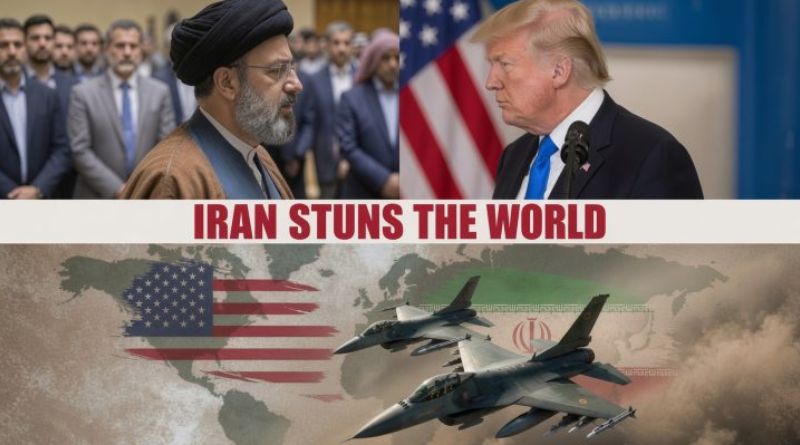
While diplomatic efforts continued, U.S. Central Command announced that American forces had conducted what it described as “self-defense strikes” in southern Iran.
According to U.S. military officials, the operation targeted missile installations and Iranian naval vessels allegedly involved in attempts to place mines along strategically important maritime routes. Officials said the action was intended to safeguard American personnel and military assets while preserving the broader cease-fire framework.
A senior defense official also reported that U.S. aircraft and naval forces operating near the Gulf of Oman and the Arabian Sea had encountered threats from Iranian surface-to-air missile systems. The strikes reportedly took place near Bandar Abbas, one of Iran’s major naval centers.
Despite the renewed military tensions, diplomatic negotiations continued in Qatar. Iranian Foreign Ministry spokesperson Esmaeil Baqaei acknowledged that Tehran and Washington had identified areas of common understanding on several issues, while emphasizing that no final agreement had been reached. He also accused the United States of repeatedly changing its negotiating positions.
President Donald Trump maintained that any eventual agreement with Iran must be “good and proper,” while once again criticizing the 2015 nuclear agreement negotiated under former President Barack Obama.
Key Nuclear Issues Remain Under Negotiation
Trump argued that the previous nuclear deal offered Iran significant economic benefits without establishing a permanent guarantee against the development of nuclear weapons.
According to a senior U.S. administration official, negotiators have made progress toward a proposed framework that would require Iran to eliminate its stockpile of highly enriched uranium, reopen the Strait of Hormuz, and accept substantial restrictions on future uranium enrichment.
In exchange, the United States would reportedly lift its naval blockade and begin gradually easing economic sanctions against Iran.
Although officials indicated that several major political questions had been addressed in principle, important technical matters remain unresolved. These include verification procedures, enforcement mechanisms, and the specific conditions governing Iran’s nuclear activities.
Washington continues to emphasize the need for a lasting, independently verifiable agreement that prevents Tehran from exceeding established nuclear limits. Strong enforcement provisions are expected to remain a central condition of any potential settlement.
The Trump administration believes that recent military pressure has strengthened its negotiating position and increased the likelihood of Iranian cooperation.
A Potentially Stricter Agreement Than the 2015 Deal
If negotiations ultimately succeed, the proposed agreement could impose significantly tighter restrictions on Iran’s nuclear program than the 2015 accord.
The administration is seeking a broader arrangement that addresses not only uranium enrichment but also long-term monitoring, compliance, and enforcement.
However, with military operations and diplomatic discussions unfolding simultaneously, the outcome remains uncertain. The coming negotiations could prove decisive in determining whether Washington and Tehran move toward a lasting agreement or face another period of escalating confrontation.