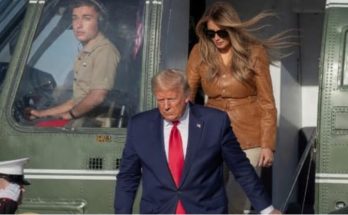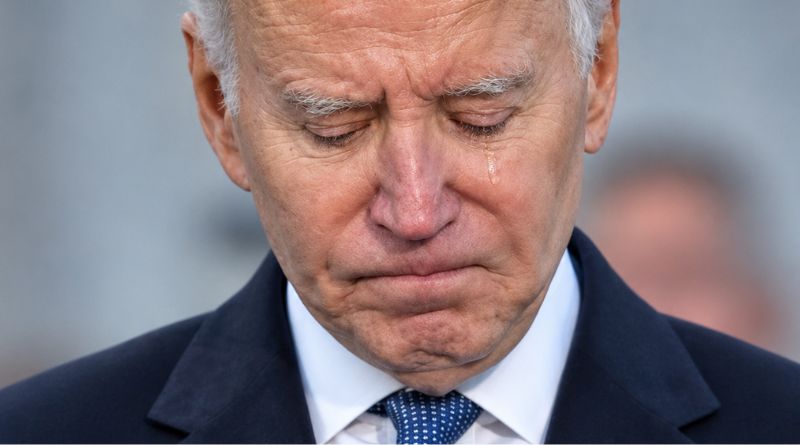
A shocking report claiming that “the President is in critical condition” has sent a wave of uncertainty across the nation. As the unverified report spread, attention quickly turned toward official sources, with government officials and the public awaiting confirmed information about the President’s condition.
The situation immediately raised questions about what would happen if the President were unable to continue carrying out the duties of office. Discussion surrounding the 25th Amendment intensified as Americans sought to understand the constitutional procedures that could apply in the event of presidential incapacity.
Meanwhile, Walter Reed National Military Medical Center became a focal point of public attention. Officials, medical staff, reporters, and members of the public waited for credible updates, while speculation continued to circulate across social media and news platforms.
Beyond the political implications, the reports also brought attention to the human side of the presidency. Behind the title and responsibilities is a person who is also a husband, a father, and a public servant. Moments of uncertainty like this can temporarily shift attention away from political disagreements and toward concern, compassion, and hope.
As the country waits for verified information, every official statement carries significance. In situations involving the health of a national leader, accurate reporting and confirmed updates are especially important because rumors can spread quickly and create unnecessary fear.
The episode serves as a reminder that political power and public office can never separate a leader from the realities of human life. Power is temporary, but the strength of a nation is often revealed during moments of uncertainty and difficulty.
Until credible information becomes available, the public continues to watch, listen, and wait—holding onto fragile hope for reassuring news and a positive outcome.