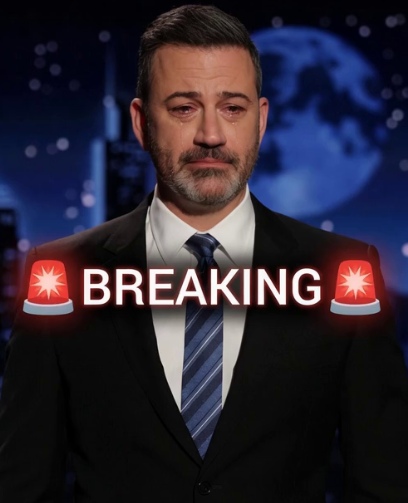
What began as a late-night joke quickly became the center of a fierce national controversy. Just two days later, after gunfire was directed at Donald Trump, Jimmy Kimmel’s earlier “expectant widow” remark was thrust back into the spotlight, triggering outrage and renewed debate over the limits of political comedy. Trump condemned the comment, while Melania Trump also spoke publicly about the controversy.
Kimmel responded on air, acknowledging that the timing made the joke especially troubling but arguing that his words were intended as commentary on Trump’s age, political power, and public image—not as a prediction or celebration of death.
He also emphasized his long-standing criticism of gun violence and gun culture, rejecting the suggestion that a television joke could be responsible for an act of violence. Kimmel maintained that there was a clear distinction between offensive political satire and an actual attack, and he pushed back against calls for him to face extreme public condemnation.
At the same time, Kimmel broadened the argument beyond his own remarks. He pointed to the increasingly hostile tone of American political discourse, arguing that public figures across the political spectrum have contributed to an environment filled with insults, personal attacks, and violent rhetoric.
The dispute quickly became larger than one comedian’s punchline. It raised questions about accountability, political speech, satire, and the responsibilities of public figures when tensions are already high. For supporters and critics alike, the controversy highlighted how quickly a joke can become part of a much bigger national conversation when politics, violence, and media collide. The incident intensified calls for caution, even as debates continued over where the line between satire and harmful rhetoric should be drawn in a polarized political climate.