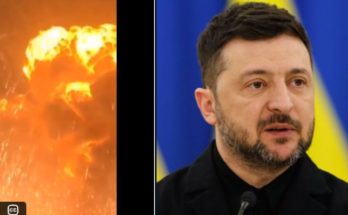
Iran’s Foreign Minister Abbas Araghchi delivered a nationally broadcast address from Tehran following reports of recent military strikes, adopting a tone that emphasized restraint, sovereignty, and adherence to international law. Rather than using inflammatory or confrontational language, he conveyed a message of calculated patience, indicating that while Iran views the strikes as a violation of its territorial integrity, any response would be carefully considered and proportionate.
Araghchi reaffirmed Iran’s right to self-defense under international law, but he stopped short of signaling any immediate military retaliation. His remarks reflect a familiar pattern in Iran’s diplomatic messaging—projecting strength and resolve while simultaneously signaling a willingness to avoid rapid escalation. This dual approach has become a hallmark of Iran’s strategy, particularly as it navigates a complex landscape of sanctions, regional rivalries, and external pressure.
Within Iran, public reaction has been mixed, highlighting the diversity of perspectives among its citizens. Some have called for a firm and decisive response, arguing that failure to act could weaken national credibility and invite further aggression. Others, however, have expressed concern about the potential costs of escalation, particularly in light of ongoing economic challenges that have already placed strain on daily life. This combination of national pride and pragmatic caution illustrates the delicate balance facing Iranian leadership as it weighs its next steps.
International responses have also varied, shaped by differing geopolitical priorities. In the United States, officials characterized the reported strikes as limited and strategic, intended to address specific security concerns and reduce longer-term risks in the region. Israeli leaders echoed this justification, framing their actions as part of a broader doctrine of preemptive defense designed to counter perceived threats before they fully materialize.
In contrast, European governments have adopted a more cautious and diplomatic stance. Leaders in countries such as the United Kingdom, France, and Germany have called for restraint from all parties and emphasized the importance of renewed dialogue. They have warned that even limited military actions can quickly spiral into broader conflict, with serious implications not only for regional stability but also for global economic and humanitarian conditions.
At the United Nations, the response has been measured but underscored by tension. Diplomats have raised concerns about the cumulative impact of repeated military actions on established international norms, while also recognizing the difficulty of achieving consensus among major powers with competing interests. Although calls for de-escalation have been consistent, the prospects for coordinated international action remain uncertain.
Meanwhile, global financial markets have reacted cautiously to the unfolding situation. Energy prices have shown upward movement, reflecting the region’s critical role in global oil and gas supply. Investors are closely monitoring developments, aware that even limited instability can disrupt supply chains and influence broader economic trends.
Overall, the current situation reflects a fragile equilibrium. Governments are signaling strength while attempting to avoid actions that could trigger a wider confrontation. Diplomatic messaging, military positioning, and public communication are all unfolding simultaneously, each shaping perceptions and influencing potential outcomes.
For now, the emphasis remains on managing risk and preventing escalation. Whether this delicate balance can be maintained will depend on the decisions made in the coming days, both in public forums and behind closed doors. The stakes extend well beyond the region, affecting global energy markets, economic stability, and the broader framework of international security.