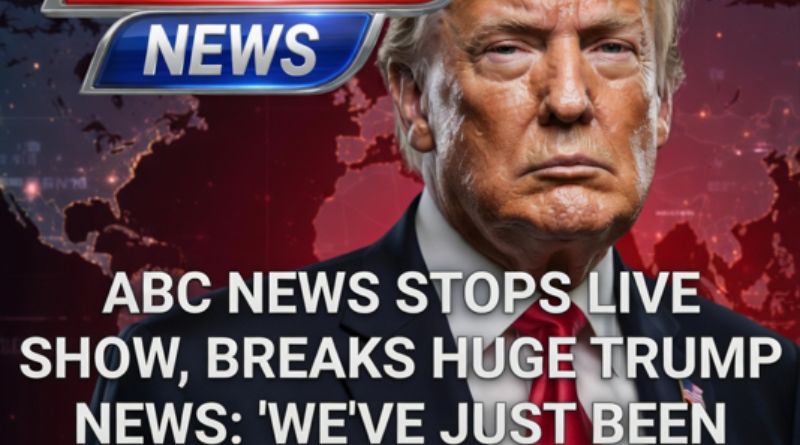
With a single executive order, Donald Trump has dramatically altered the landscape of law enforcement in Washington, D.C., placing the city under federal control. Armored vehicles, ICE vans, and unmarked patrols now navigate the streets, signaling a rapid and visible shift in public safety. For many residents, the change has been immediate and tangible: crime rates have dropped sharply, and communities long plagued by daily violence now report a sense of security that local programs had struggled to achieve. For these individuals, the federal presence represents a long-overdue prioritization of their safety.
Yet this newfound order comes with a darker side. The omnipresence of federal agents near schools, bus stops, and public spaces has left some families feeling trapped and constantly on alert. Residents report avoiding familiar routes and memorizing escape paths, a lifestyle born of fear rather than freedom. Local police also face challenges, as overlapping jurisdictions and unclear command structures create confusion during emergencies. The once-familiar roles of local authorities are now obscured by the presence of federal forces, creating tension and uncertainty.
This unprecedented federalization raises a deeper question about the nature of safety itself. Can a society truly be considered secure if that security is built upon surveillance and intimidation? Washington, D.C. has become a focal point for a broader debate on public safety versus civil liberty, a test case for how democracy balances order with individual freedoms.
The city’s streets now reflect both the promise and the perils of aggressive federal intervention. While some celebrate reduced crime, others navigate an environment of caution and suspicion. Ultimately, the challenge lies in reconciling the immediate benefits of law enforcement with the long-term health of civic trust, autonomy, and the democratic ideals that define the nation’s capital.